Inspection Service
Gas Leak Detection
Precision detection of natural gas leaks to keep your family safe.
Overview
Natural gas leaks are among the most dangerous problems a home can have — and many go undetected because the leak is too small to smell. A slow leak at a water heater, furnace, stove, or buried line can pose a serious safety and health risk over time.
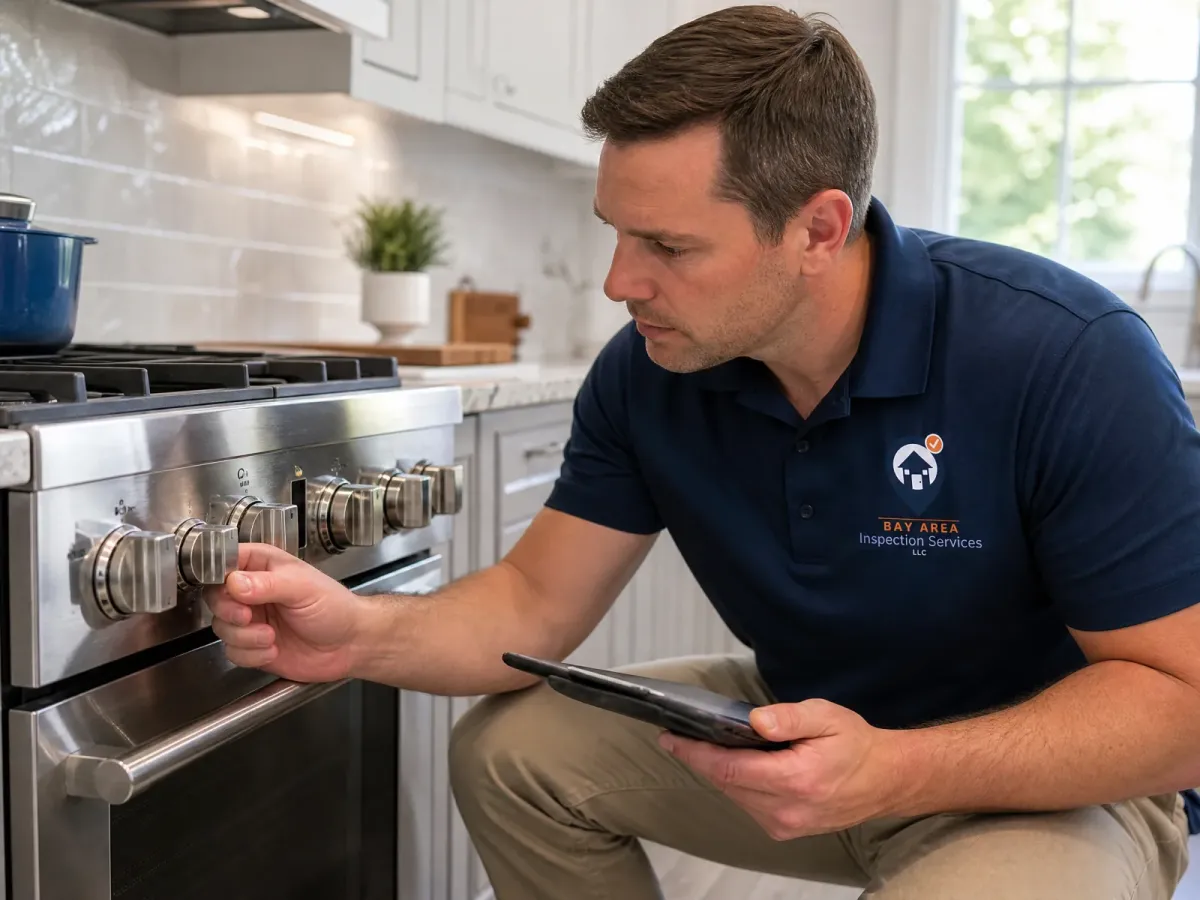
Our gas leak detection service uses sensitive combustible-gas instruments to test appliances, connections, shut-off valves, and accessible supply lines. We methodically check the points where leaks most commonly develop.
If we find a leak, we'll show you exactly where it is and explain the severity so you can take the right action quickly. As always, we're inspection-only — our goal is your safety, not selling you a repair.
Book Gas Leak Detection
Starting at $99 per visit, and can be bundled with a full home inspection. Call for a quick quote and priority scheduling.
(628) 230-0357Same-day availability · Report same day
What's Included
Appliance Testing
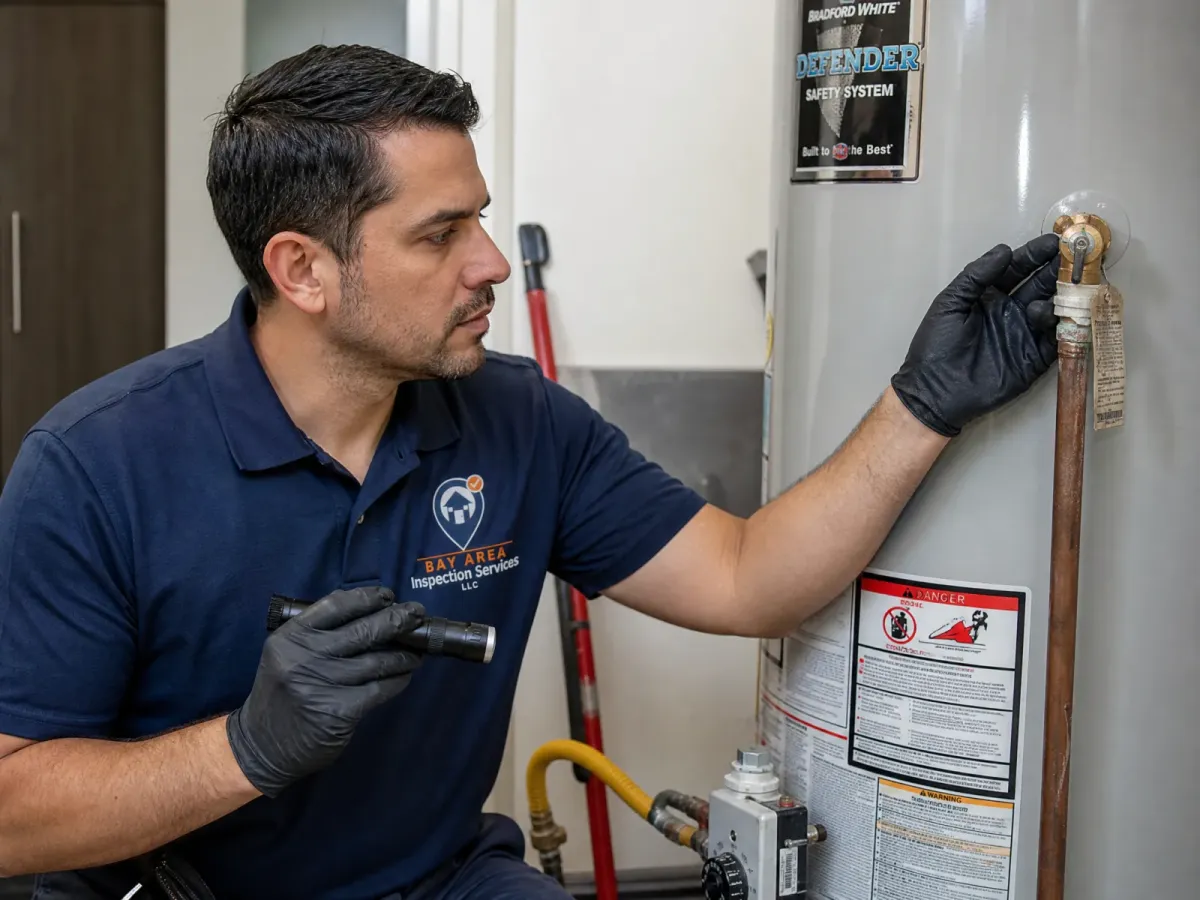
We check gas ranges, ovens, water heaters, furnaces, and dryers for leaks at their connections.
Connection & Valve Checks
Inspection of shut-off valves, flex connectors, and fittings where leaks commonly form.
Accessible Line Survey
Instrument testing along accessible supply lines and meter connections.
Combustible-Gas Metering
Calibrated detectors pick up concentrations far too low for the human nose.
Severity Assessment
Clear explanation of what we found and how urgent it is.
Documented Findings
Photos and notes you can hand directly to a licensed plumber if repairs are needed.
The Equipment We Use
Every instrument below is used on a standard gas leak detection — none of it is an upsell.
Combustible-gas leak detector
A heated-sensor instrument that responds to methane at concentrations far below the human smell threshold, letting us find slow leaks long before they become dangerous.
Gas leak detection solution
Applied at a suspect fitting to confirm and pinpoint a leak visually once the instrument has narrowed it down.
Manometer
Measures gas supply pressure and lets us watch for pressure drop, which indicates loss somewhere in the system.
Combustion analyser
Reads flue gases at the appliance to check for incomplete combustion — the condition that produces carbon monoxide.
Carbon monoxide meter
Measures ambient CO in living space, since a venting fault can be hazardous even when no gas is leaking.
Infrared thermal camera
Checks flue and vent connections for heat patterns indicating disconnection or backdrafting.
What We Actually Find
The findings that come up again and again on Bay Area properties.
Leaks at flexible appliance connectors
The connector behind a range or dryer is the most common leak point in a house, because it gets flexed every time the appliance is pulled out for cleaning.
Corroded or seized shut-off valves
A valve that will not turn is a safety problem in its own right — in an emergency you need to be able to close it.
Improper venting and backdrafting
Disconnected, corroded or badly sloped flue connectors let combustion products spill into the living space. This is a carbon monoxide risk, not just an efficiency one.
Unsecured or unstrapped water heaters
In a seismic region an unstrapped heater can topple and shear its own gas connection. Required strapping is often missing or fitted incorrectly.
Gas piping to unpermitted work
Lines run to converted garages, in-law units or outdoor kitchens frequently bypassed inspection. We flag piping and connectors that do not look like permitted work.
Sediment and drip leg omissions
Missing sediment traps at appliance connections allow debris into the control valve, which is a reliability and safety concern over time.
Gas Leak Detection in San Francisco
San Francisco's housing makes gas worth taking seriously. The city's building stock is old, largely attached, and heated overwhelmingly by gas — wall furnaces, floor furnaces and gravity systems that in many buildings are original or close to it. When buildings share walls, a problem in one unit is not confined to it.
The other factor is retrofit history. Water heaters and furnaces are commonly relocated into garages, closets and converted ground-floor rooms during remodels, and the venting does not always get done properly. Combined with the city's frequent unpermitted in-law conversions, gas piping and flues are among the systems most likely to have been altered by someone who never pulled a permit.
Who Books This
Buyers of older homes
Gas piping and venting are among the least visible systems in a house and among the most consequential when wrong.
Anyone smelling gas intermittently
A faint smell that comes and goes usually means a small leak. Instruments find what the nose cannot localise — though a strong smell means evacuate and call PG&E, not book an inspection.
Owners after appliance work
Verification that a newly installed or relocated range, heater or furnace was connected and vented correctly.
Buyers of homes with converted space
Garage and in-law conversions frequently involve gas work that never went through permit or inspection.
Our Process
Schedule
Call us — gas concerns are a priority and we offer fast scheduling.
Systematic Testing
We test each appliance, connection, and accessible line with calibrated instruments.
Locate & Explain
If a leak is present, we pinpoint it and explain the severity in plain terms.
Report
You get documented findings to guide any needed repairs by a licensed professional.
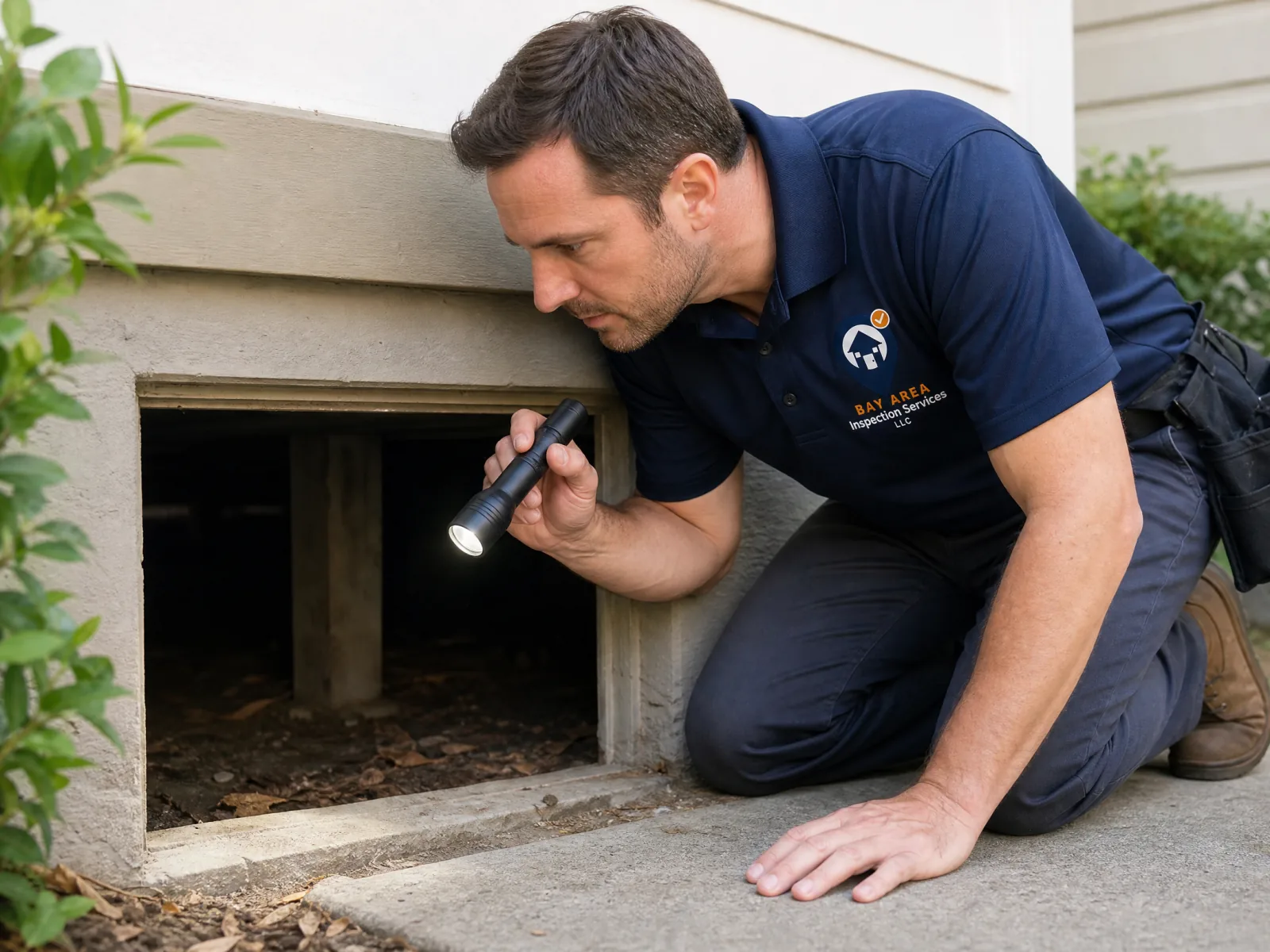
On the Job
Frequently Asked Questions
Ready to schedule your gas leak detection?
Same-day appointments and same-day reports. Get honest, documented answers from a certified inspector who actually built homes.