San Francisco
Home & Mold Inspection in San Francisco
Victorians, Edwardians, soft-story garages and in-law units — inspected by a former builder who knows what this city hides.
Inspecting San Francisco homes
San Francisco is the hardest housing stock in the Bay Area to inspect well, and the least forgiving of a generic checklist. Most of the city was rebuilt in a rush after 1906, on lots that are narrow, attached, and steep, using construction practices that no longer exist. Almost every building has been altered since, and much of that work never saw a permit.
Four things drive nearly every San Francisco inspection: soft-story ground floors where a garage opening sits under living space, dry rot driven by fog and wind-driven rain, unpermitted in-law units carved out of ground floors and garages, and where the building sits relative to the city's liquefaction zones. Those are what I go looking for, in that order.
I inspect across the whole city — from Edwardian flats in the Richmond and Sunset to Victorians in Noe Valley and the Mission, to newer condos in SOMA, Mission Bay and Dogpatch. Same-day reports, because San Francisco contingency windows are short and often waived under pressure.
Local note
San Francisco has requirements no other city I serve does: a Mandatory Soft Story Retrofit Program for qualifying multi-unit buildings, a 3R Report documenting a property's permitted use and unit count, and sewer lateral compliance obligations that can arise at transfer. I flag where these apply so you can confirm status with the city before removing contingencies.
San Francisco housing stock
A small stock of pre-1906 Victorians that survived the fire, a very large post-1906 Edwardian rebuild, 1920s–40s Mediterranean and Marina-style rowhouses across the western neighbourhoods, post-war infill, and modern condo and loft construction east of downtown.
Pre-1906 Victorians
Italianate, Stick and Queen Anne homes concentrated in areas the fire missed — Alamo Square, the Haight, parts of Noe Valley, the Mission and Pacific Heights. Expect brick or unreinforced rubble foundations, unbraced cripple walls, knob-and-tube remnants, original clay sewer laterals, and decades of layered alteration.
1906–1920s Edwardian rebuild
The largest share of the city's housing, built fast during reconstruction. Common findings are ground-floor garage openings creating soft-story conditions, original single-pane wood windows, dry rot at light wells and bay windows, and shared party walls with the neighbouring building.
1920s–40s Mediterranean & Marina-style
Dominant through the Sunset, Richmond and Marina. Stucco over wood framing with limited drainage plane behind it, tunnel entrances, and ground-floor garages beneath living space are the recurring pattern.
Post-war & mid-century infill
Scattered through the outer neighbourhoods and along the southern edge. Galvanised supply piping, cast-iron waste, undersized electrical services and original windows are typical.
1990s–present condos & lofts
SOMA, Mission Bay, Dogpatch and Hayes Valley. Priorities shift to balcony and deck waterproofing, window-wall assemblies, unit-boundary systems, and moisture crossing from shared construction.
What I look for in San Francisco
These findings come up disproportionately often in San Francisco, so they get specific attention rather than a generic checklist entry.
Soft-story ground floors
A garage opening beneath living space leaves little lateral resistance in an earthquake. San Francisco runs a Mandatory Soft Story Retrofit Program for older multi-unit wood-frame buildings, and single-family homes with the same configuration are not covered by it at all. I identify the condition and tell you whether retrofit work appears to have been done.
Dry rot at light wells, bays and west walls
Fog and wind-driven rain attack west and north-facing elevations year-round. Light wells, bay window sills and the junctions where stucco meets wood trim are where it starts, and it is usually well advanced before anything is visible from inside.
Unpermitted in-law and ground-floor units
Extremely common in San Francisco. I check ceiling height, egress, ventilation, heating and electrical, and flag work that looks like it was done outside the permit process. Whether a unit is legal affects value, financing and insurance, not just safety.
Liquefaction-zone building performance
The Marina, SOMA, Mission Bay and parts of the Financial District sit on fill — some of it 1906 rubble. In mapped liquefaction zones I pay particular attention to foundation type, differential settlement, floor level variation and any pattern suggesting ongoing movement.
Brick and unreinforced foundations
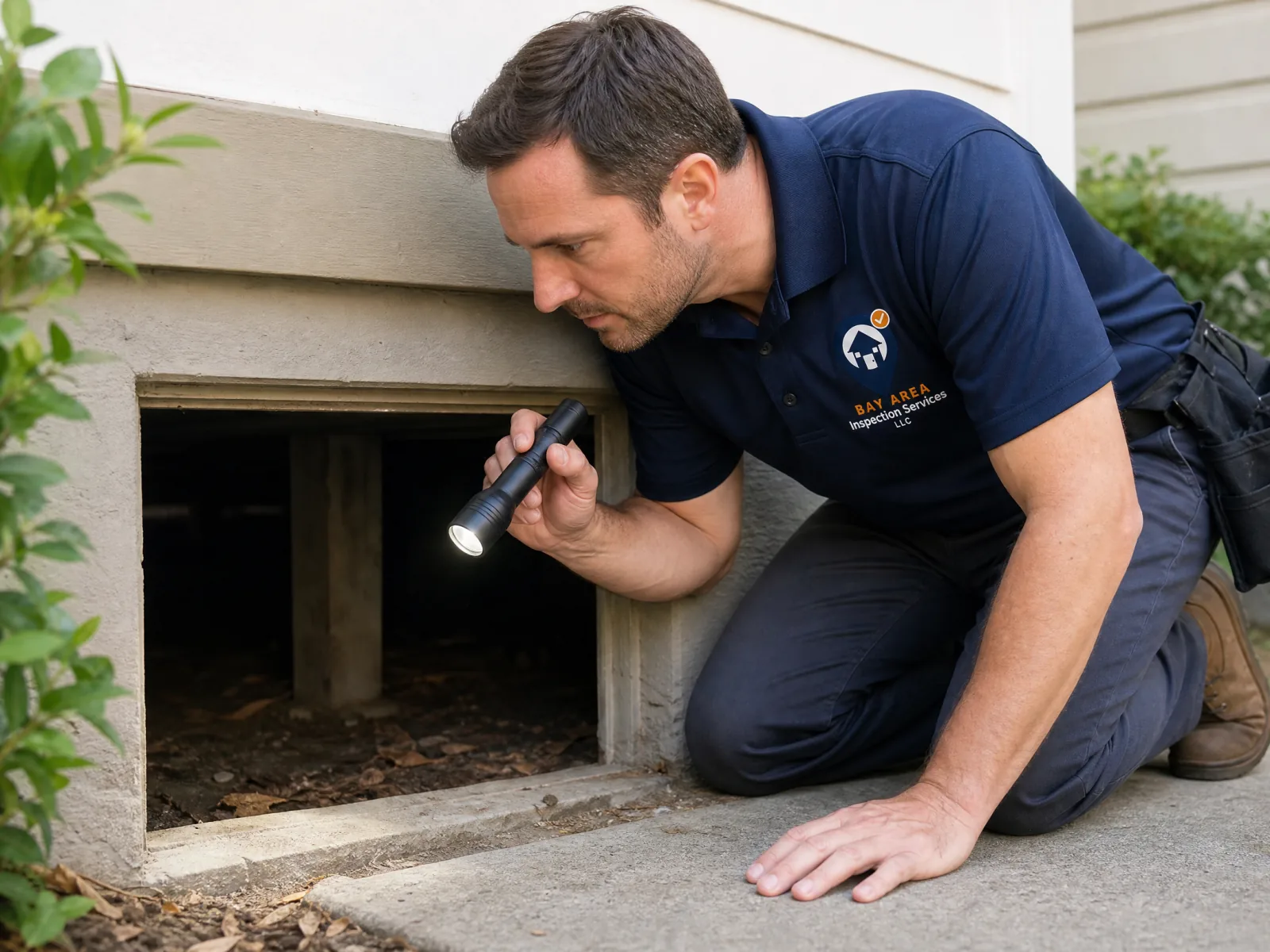
Pre-1906 buildings frequently sit on brick or unreinforced rubble foundations with no anchor bolting. Combined with unbraced cripple walls this is among the most consequential findings in the city, and the retrofit is well understood.
Original clay sewer laterals
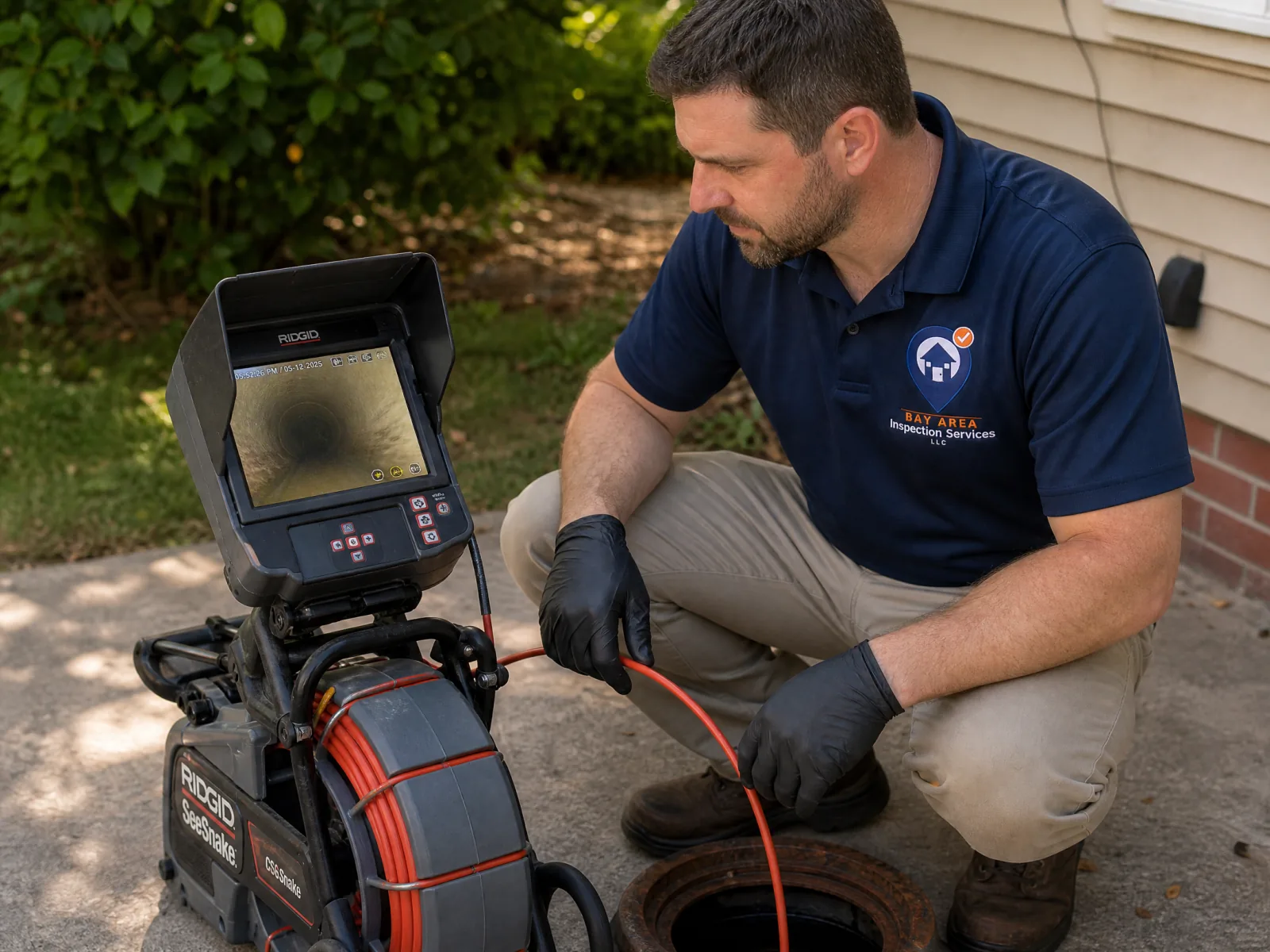
The city's older laterals are clay, root-intruded and often shared or running under neighbouring property. A lateral inspection is worth doing separately — it does not appear in a standard visual inspection and it is a recurring four- and five-figure repair here.
Party walls and attached construction
Most San Francisco buildings share walls. Moisture, pest activity and structural movement all cross those boundaries, and problems originating next door regularly show up on your side first.
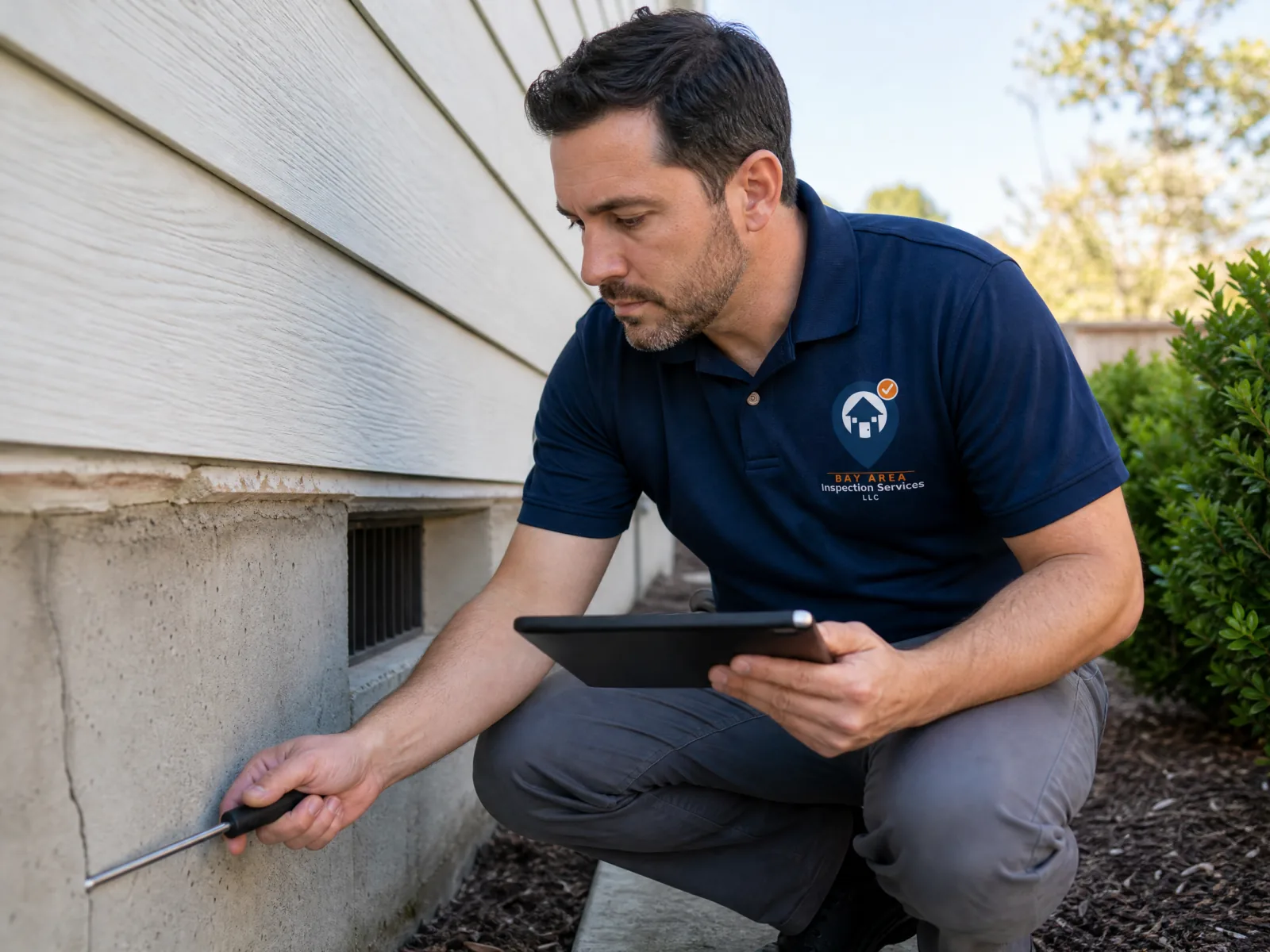
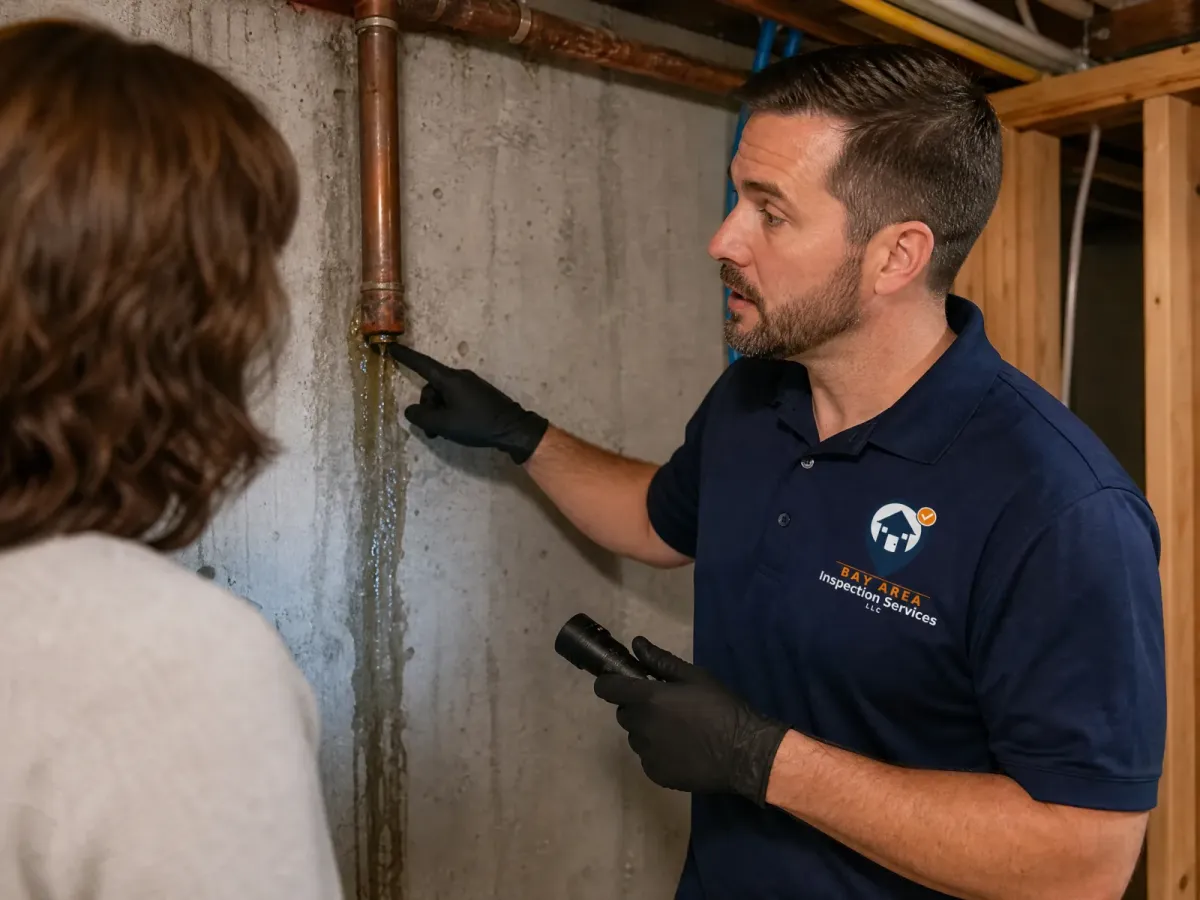
San Francisco homes and what I find in them
The housing types you'll see around San Francisco, and the conditions that come up most often when I inspect them.

Neighborhoods I serve in San Francisco
Coverage across San Francisco and the surrounding area — if your neighborhood isn't listed, call and ask.
Inspection services in San Francisco
Every service below is available throughout San Francisco, with same-day reporting.
Home Inspection in San Francisco
A top-to-bottom evaluation by a former builder who knows exactly where problems hide.
7 local findingsMold Inspection in San Francisco
A thermal and moisture-based mold assessment that finds the source, not just the spot on the wall.
3 local findingsGas Leak Detection in San Francisco
Precision detection of natural gas leaks to keep your family safe.
Learn moreMoisture & Water Damage in San Francisco
Infrared thermal imaging that locates hidden water intrusion before it becomes mold.
Learn moreHome + Mold Bundle in San Francisco
Total peace of mind — our two most-requested inspections in one discounted visit.
Learn moreSan Francisco inspection questions
Also serving near San Francisco
Ready to book your inspection?
Same-day appointments and same-day reports. Get honest, documented answers from a certified inspector who actually built homes.