A home inspection is your single best opportunity to understand what you're really buying. But not all inspections are equal. Use this checklist to know what a thorough inspection covers — and to make sure nothing important gets skipped.
Two things are worth understanding before you read the list. A general home inspection is visual and non-invasive: nothing gets opened up, dug out, or dismantled. And it is a snapshot of one day — it tells you the condition of the property at the moment it was inspected, not a warranty against what happens afterwards. Within those limits, a thorough inspection is still the most useful few hundred dollars you will spend on a purchase.
Roof and exterior
The exterior is where most expensive problems start, because it is what keeps water out. Roof covering, flashing at every penetration and transition, gutters that actually discharge away from the building, and grading that slopes away rather than toward the foundation all get checked. In Bay Area housing, the single most common root cause behind interior damage is water that was allowed to sit against or run into the structure from outside.
On older homes, pay particular attention to where a later addition meets the original roofline. That junction is where flashing details most often fail, and it accounts for a large share of the concealed damage found during inspections.
- Roof covering, flashing, and signs of leaks or aging
- Gutters, downspouts, and drainage away from the foundation
- Siding, trim, and exterior paint condition
- Grading, walkways, driveways, and retaining walls
- Roof-to-wall transitions where additions meet original construction
Structure and foundation
Foundations crack. That by itself tells you very little — concrete shrinks as it cures and hairline cracking is normal. What matters is the pattern: whether cracks are stable or progressive, whether they are displaced, and whether doors and windows are racking in a way that suggests active movement.
In a seismic region, two findings carry extra weight on older homes: unbraced cripple walls (the short stud walls between foundation and first floor) and unreinforced masonry chimneys. Both are common in pre-1970s construction, both are genuine concerns, and both have well-understood retrofits. A good report tells you which of them this particular house still has.
- Foundation for cracks, settlement, or movement
- Framing and load-bearing elements where visible
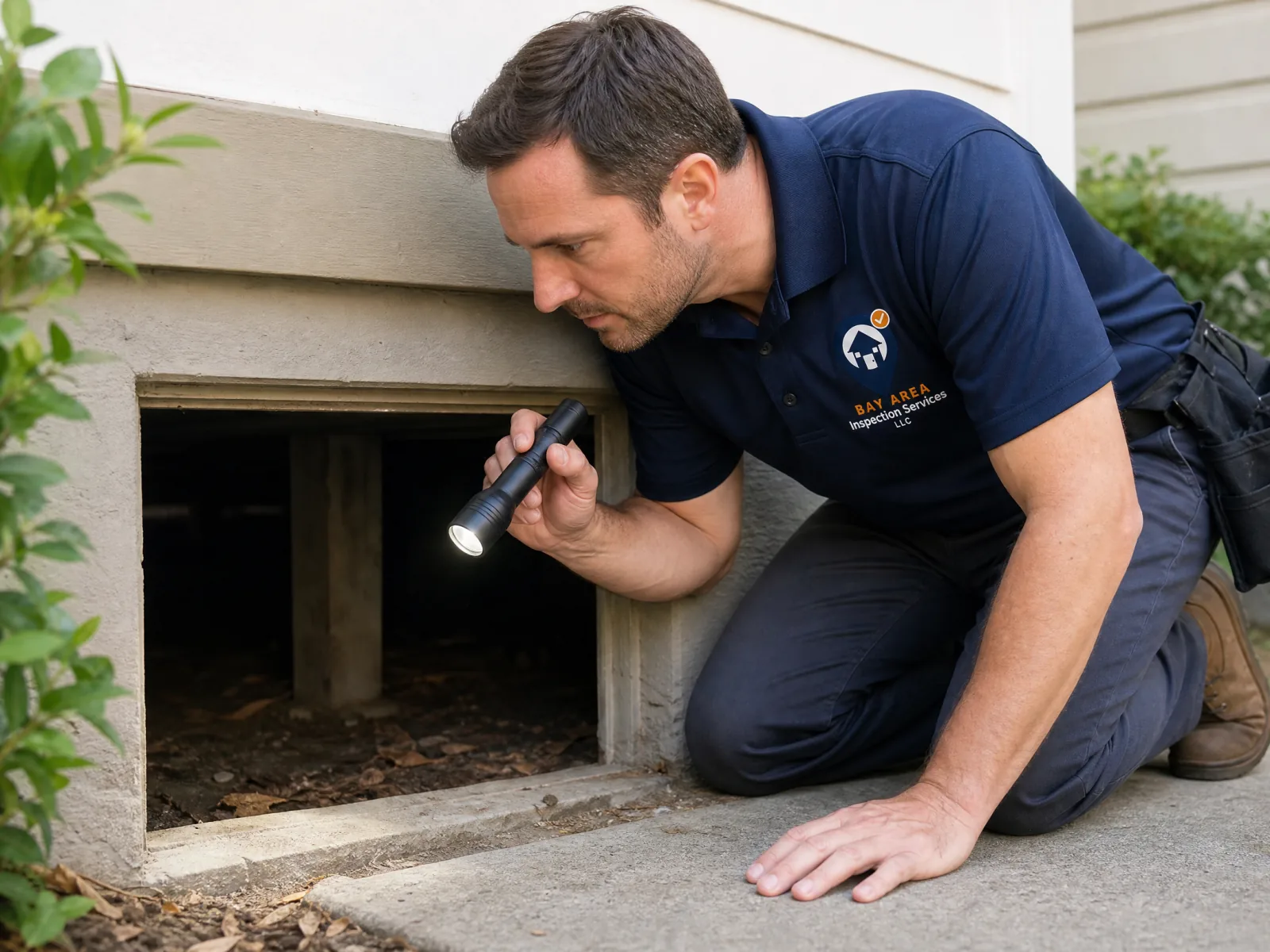
- Crawl space for moisture, pests, and support issues
- Signs of past or ongoing structural repair
- Cripple wall bracing and foundation anchor bolting
- Masonry chimney condition and attachment
Electrical
Electrical findings split into two categories: what is unsafe, and what is simply undersized for how people live now. A 100-amp service installed in 1955 was never intended to run air conditioning, induction cooking and EV charging simultaneously. That is not a defect exactly, but it is a cost you should know about before you own it.
Certain panel brands and older wiring types warrant specific attention, and knob-and-tube remnants left live in attics and wall cavities are common in pre-war homes that were only partially rewired. Anything of that kind should be flagged clearly rather than buried in a list.
- Main panel, breakers, and wiring condition
- Service capacity against how the home is actually used
- GFCI protection in kitchens, baths, and exterior outlets
- Outlets, switches, and visible safety hazards
- Knob-and-tube remnants and prior partial rewiring
- Smoke and carbon monoxide detector presence
Plumbing
Original galvanised steel supply piping is the quiet expense in a lot of mid-century Bay Area housing. It corrodes from the inside, so it can look perfectly sound while flow has collapsed. Testing several fixtures under simultaneous demand reveals far more than looking at the pipe.
Cast-iron waste lines of the same era are at or past their expected service life. And on any older property with mature trees, the sewer lateral deserves its own conversation — root intrusion into original clay pipe is common, expensive, and completely invisible to a standard visual inspection.
- Supply lines, water pressure, and visible leaks
- Functional flow tested under simultaneous demand
- Drains, traps, and waste lines
- Water heater age, condition, and seismic strapping
- Fixtures, faucets, and toilets
HVAC and interior
Heating and cooling equipment is checked for operation, age, and whether it performs to specification rather than merely switching on. On gas equipment, venting matters as much as the appliance itself — a disconnected or badly sloped flue connector is a carbon monoxide concern, not just an efficiency one.
Interior findings are often symptoms rather than causes. A stained ceiling, a sticking door, or a soft patch of flooring usually points at something structural or moisture-related elsewhere, which is why they get traced rather than simply noted.
- Heating and cooling equipment operation and age
- Gas appliance venting and draft
- Ductwork and overall system performance
- Walls, ceilings, and floors for damage or stains
- Windows, doors, stairs, and railings
What a general inspection does not cover
Knowing the boundaries is as useful as knowing the scope, because it tells you which specialists to bring in and when. A general inspection is visual and non-invasive, so it does not include opening walls, running a camera down the sewer lateral, licensed pest work, geotechnical assessment of the ground itself, or anything genuinely inaccessible or unsafe to reach.
None of that is a gap in the inspection — it is the difference between a generalist assessment and a specialist one. What a good report does is tell you plainly when a finding warrants a specialist, rather than leaving it vague. On an older property with mature trees, for example, a sewer scope from a licensed plumber is worth doing separately, and in San Francisco it may be a transaction requirement rather than an option.
Don't forget moisture and mold
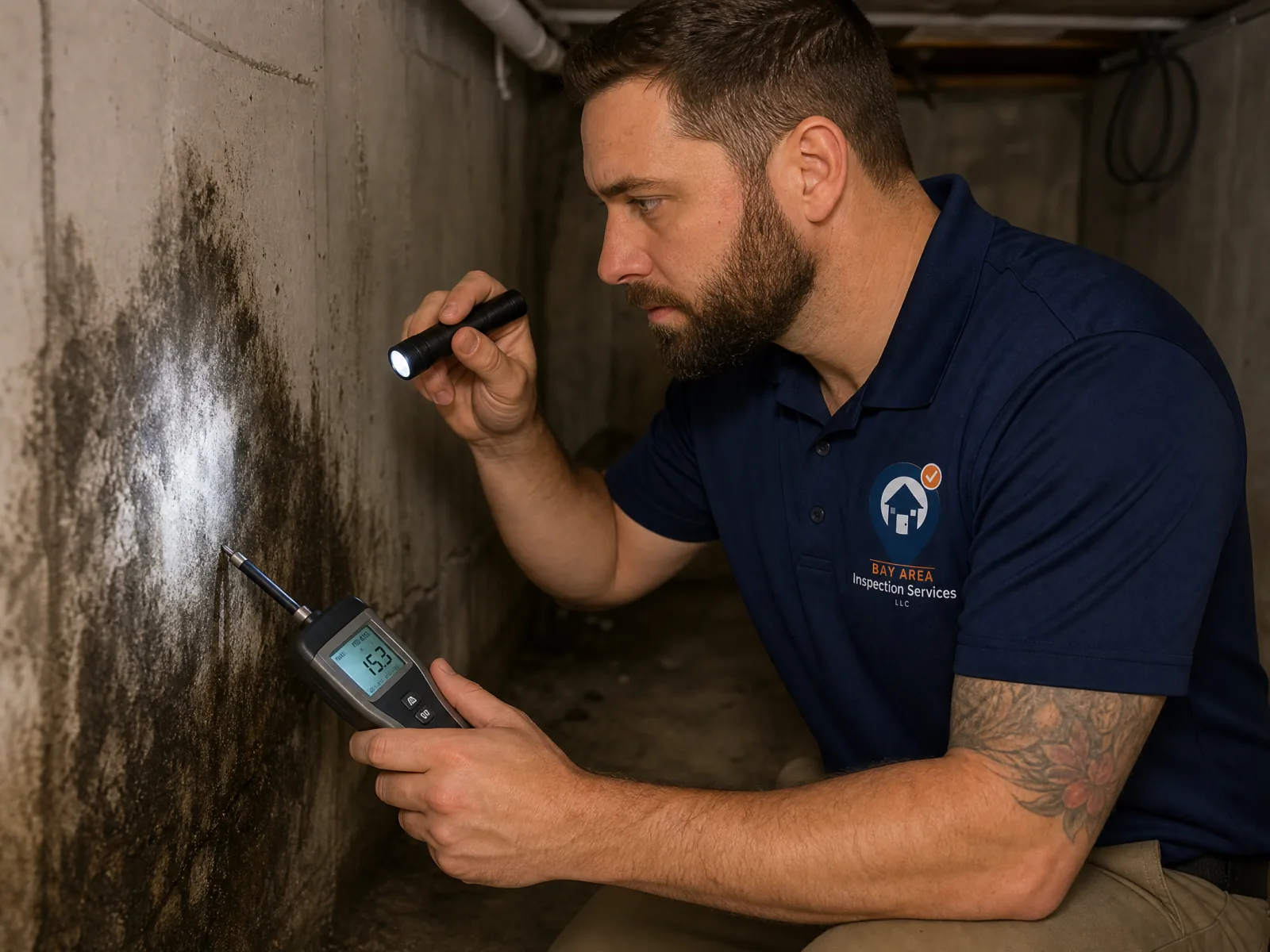
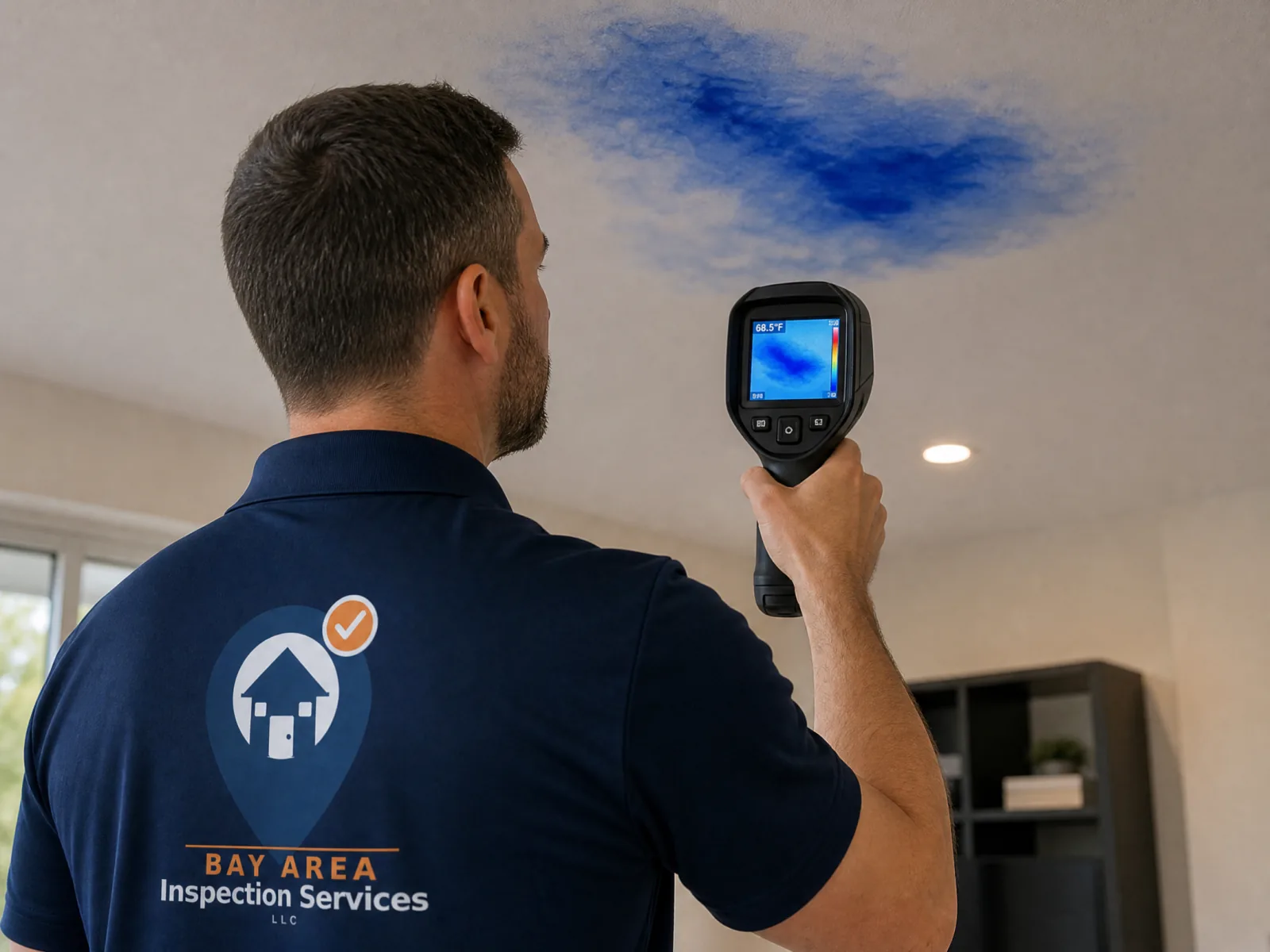
A standard home inspection is visual. In the Bay Area, where moisture is the leading cause of expensive surprises, it's smart to add infrared thermal imaging and — for older or water-history homes — mold testing. That's why we offer a combined Home + Mold Bundle that covers both the visible structure and the hidden threats in a single visit.
Attend if you can
The report matters, but standing in the home while your inspector points out findings is invaluable. You'll understand the difference between a cosmetic note and a deal-breaker — and you'll negotiate from a position of knowledge.