East Bay
Home & Mold Inspection in Union City
1960s–80s tracts on the flats, hillside homes above, and the Hayward fault between them.
Inspecting Union City homes
Union City divides between flat, low-lying tract neighbourhoods to the west and hillside development climbing into the eastern hills. The Hayward fault runs between them, which makes foundation condition and retrofit status a live question across much of the city.
The two halves need different attention. On the flats the priorities are drainage, water table and aging original systems. On the hillside they are site drainage, retaining structures, decks and evidence of ground movement.
Local note
The Hayward fault crosses Union City, separating low-lying western tracts from eastern hillside development. Seismic retrofit status is worth establishing on any older home here.
Union City housing stock
Predominantly 1960s–80s single-family tract housing across the flats, hillside development to the east, and newer attached housing near the BART corridor.
1960s–70s tracts
The core of the city. Cast-iron waste lines, original electrical services, aging water heaters and furnaces, and original windows are the standard findings.
1980s–90s hillside development
Sloped lots dependent on engineered foundations, retaining walls and site drainage. Decks and under-floor ventilation are recurring items.
2000s–present transit-oriented development
Attached housing near BART. Focus on unit-boundary systems, balcony waterproofing and shared-assembly moisture.
What I look for in Union City
These findings come up disproportionately often in Union City, so they get specific attention rather than a generic checklist entry.
Hayward fault proximity
The fault runs through the city. Foundation type, anchor bolting, cripple wall bracing and retrofit status all receive particular attention, especially in the eastern neighbourhoods.
Hillside drainage and retaining walls
Eastern hillside properties show the familiar pattern — undrained retaining walls and uphill runoff directed toward structures as the root cause of later moisture and movement.
Low-lying crawl space moisture
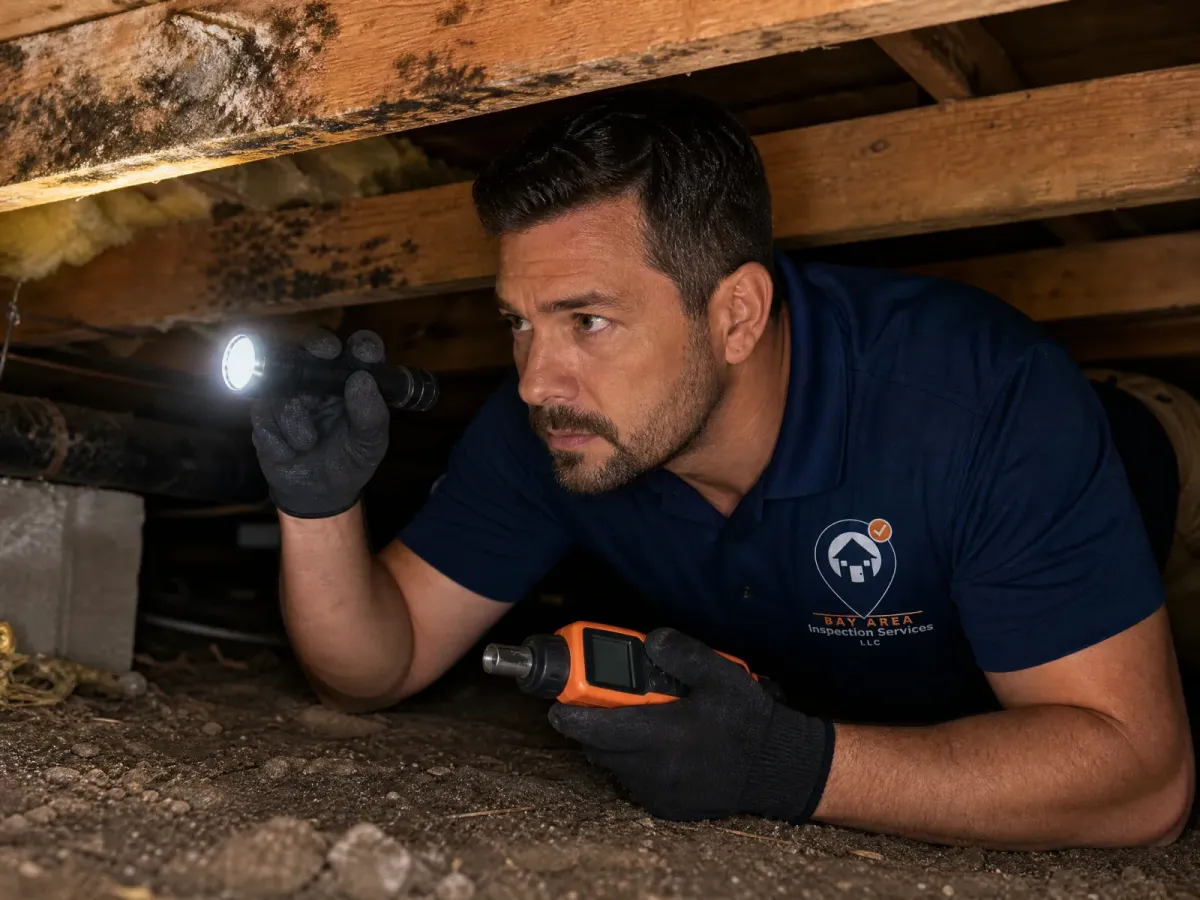
The western flats sit at low elevation with a high water table, producing damp crawl spaces and the fungal growth that follows.
Original systems in 1960s–70s tracts
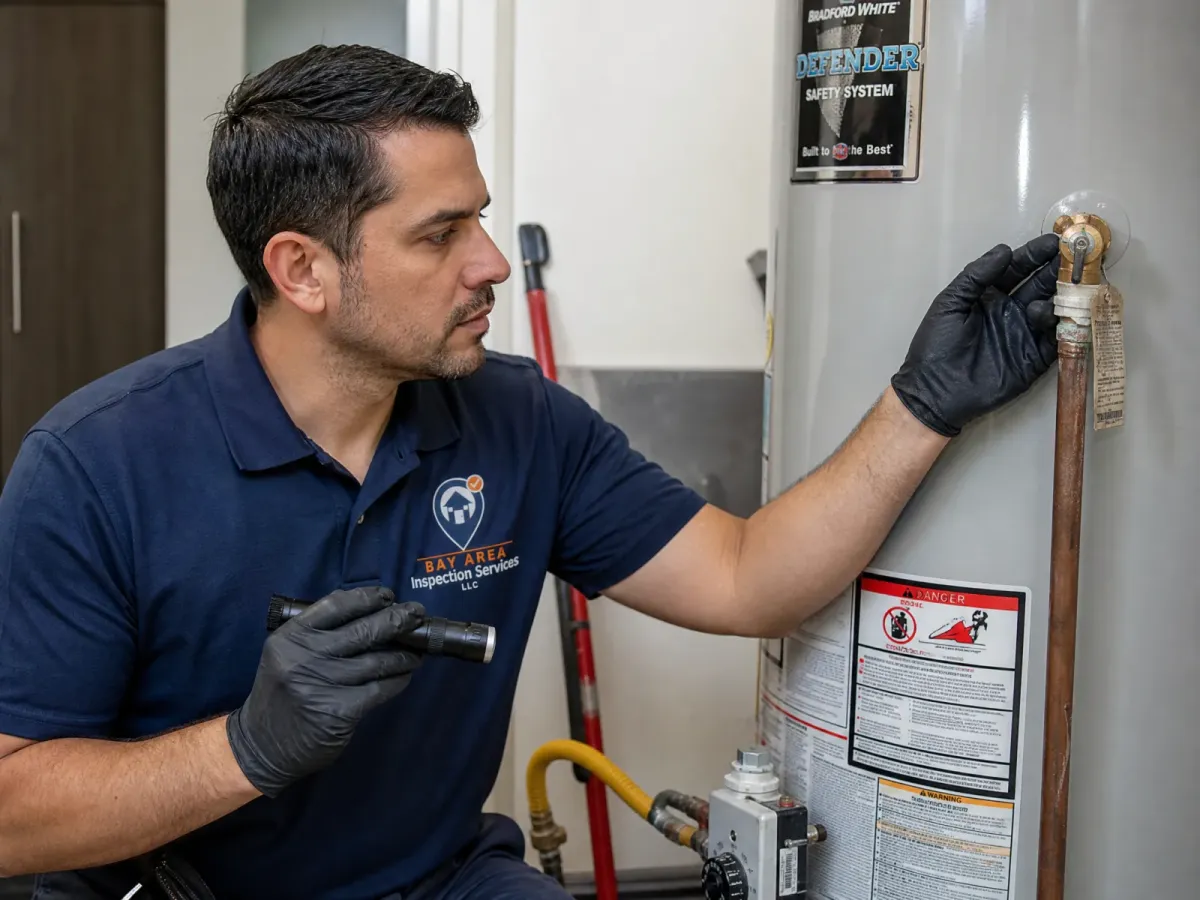
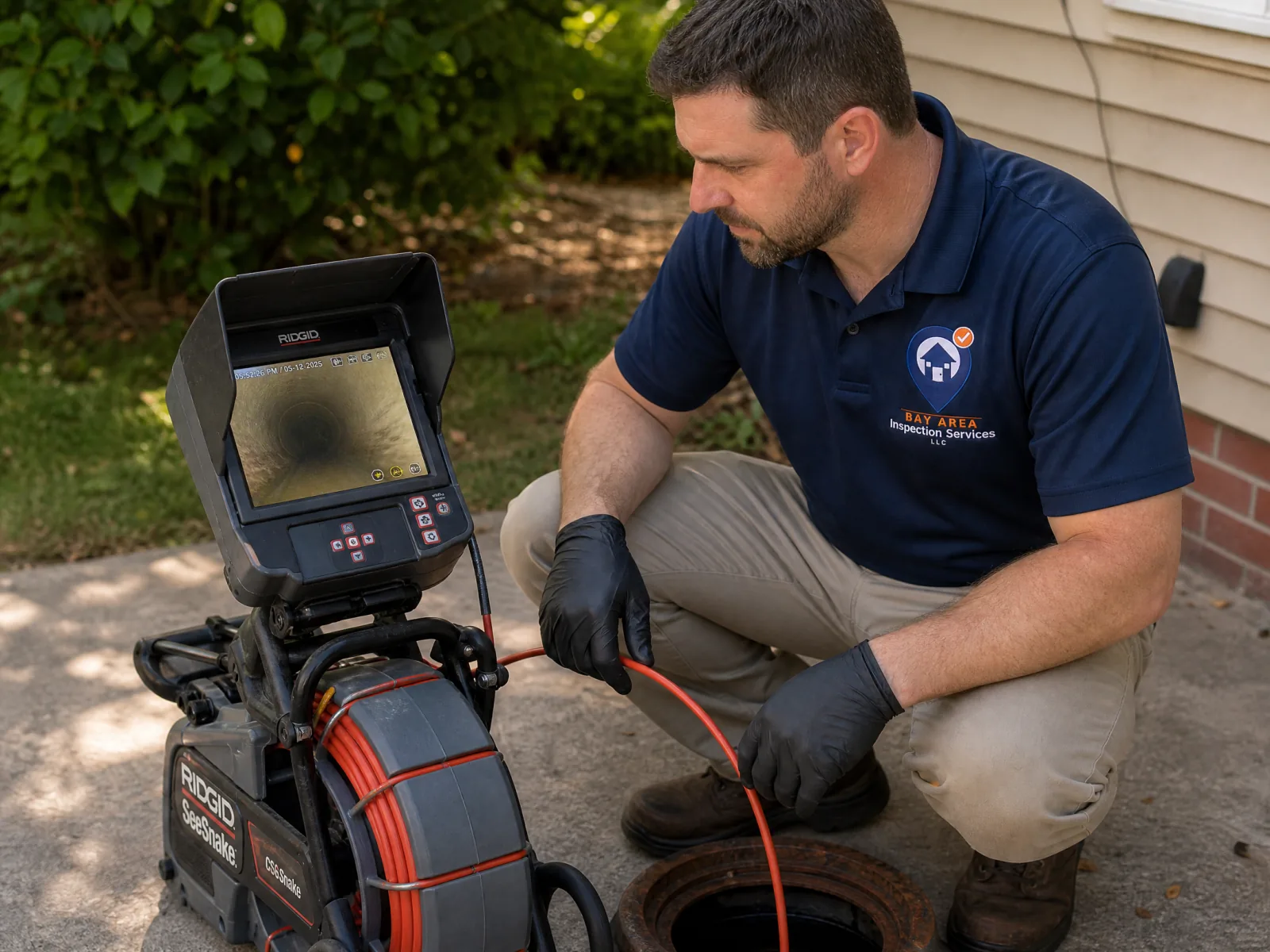
Cast-iron waste lines, original panels and aging mechanical equipment are at or past expected service life across much of the city's housing.
Unpermitted conversions
Garage conversions and added living space are common. Egress, headers, ventilation and apparently unpermitted electrical work are flagged.
Union City homes and what I find in them
The housing types you'll see around Union City, and the conditions that come up most often when I inspect them.



Neighborhoods I serve in Union City
Coverage across Union City and the surrounding area — if your neighborhood isn't listed, call and ask.
Inspection services in Union City
Every service below is available throughout Union City, with same-day reporting.
Home Inspection in Union City
A top-to-bottom evaluation by a former builder who knows exactly where problems hide.
5 local findingsMold Inspection in Union City
A thermal and moisture-based mold assessment that finds the source, not just the spot on the wall.
3 local findingsGas Leak Detection in Union City
Precision detection of natural gas leaks to keep your family safe.
Learn moreMoisture & Water Damage in Union City
Infrared thermal imaging that locates hidden water intrusion before it becomes mold.
Learn moreHome + Mold Bundle in Union City
Total peace of mind — our two most-requested inspections in one discounted visit.
Learn moreUnion City inspection questions
Ready to book your inspection?
Same-day appointments and same-day reports. Get honest, documented answers from a certified inspector who actually built homes.