East Bay
Home & Mold Inspection in Newark
Low-lying post-war tracts where drainage and water table drive most findings.
Inspecting Newark homes
Newark is compact, flat and largely built between the 1950s and 1980s, with newer development added in recent years. It sits at low elevation close to the bay margin, and that single fact drives most of what an inspection turns up here.
Where hillside cities have drainage problems caused by slope, Newark has them caused by the absence of it. Flat sites, a high water table and bay-adjacent soils combine to make crawl space moisture, slab conditions and site drainage the recurring themes.
Local note
Newark sits at low elevation on the bay plain with a correspondingly high water table. Moisture-related findings are more common here than in most of the cities I serve, and they are usually correctable with drainage and ventilation work.
Newark housing stock
Predominantly 1950s–80s single-family tract housing on flat, low-lying ground, with newer subdivisions and attached housing added more recently.
1950s–60s tracts
The oldest of the city's housing. Galvanised supply piping, cast-iron waste lines, undersized electrical services and original windows are typical.
1970s–80s tracts
Larger homes, often on slab. Priorities are slab moisture, original HVAC and water heaters, and envelope maintenance.
2000s–present subdivisions
Newer construction where findings concentrate on workmanship — flashing, drainage grading and mechanical installation.
What I look for in Newark
These findings come up disproportionately often in Newark, so they get specific attention rather than a generic checklist entry.
High water table and crawl space moisture
Low elevation near the bay means persistently damp crawl spaces. This is the single most common source of fungal growth findings in Newark homes.
Flat-site drainage and negative grading
Without slope to move water away, grading and area drains have to do all the work. Negative grading toward the foundation is a frequent and correctable finding.
Slab moisture transmission
Slab-on-grade homes over damp soils transmit moisture upward, showing as flooring failures, baseboard damage and elevated indoor humidity.
Original plumbing in 1950s–60s housing
Galvanised supply and cast-iron waste in the oldest tracts are at end of life. Functional flow and drainage testing tells you where they actually stand.
Indoor humidity and ventilation
Damp ground and tight homes make bathroom and laundry ventilation more important here than in drier inland cities. Inadequate ventilation shows up quickly as surface mold.
Newark homes and what I find in them
The housing types you'll see around Newark, and the conditions that come up most often when I inspect them.


Neighborhoods I serve in Newark
Coverage across Newark and the surrounding area — if your neighborhood isn't listed, call and ask.
Inspection services in Newark
Every service below is available throughout Newark, with same-day reporting.
Home Inspection in Newark
A top-to-bottom evaluation by a former builder who knows exactly where problems hide.
5 local findingsMold Inspection in Newark
A thermal and moisture-based mold assessment that finds the source, not just the spot on the wall.
5 local findingsGas Leak Detection in Newark
Precision detection of natural gas leaks to keep your family safe.
Learn moreMoisture & Water Damage in Newark
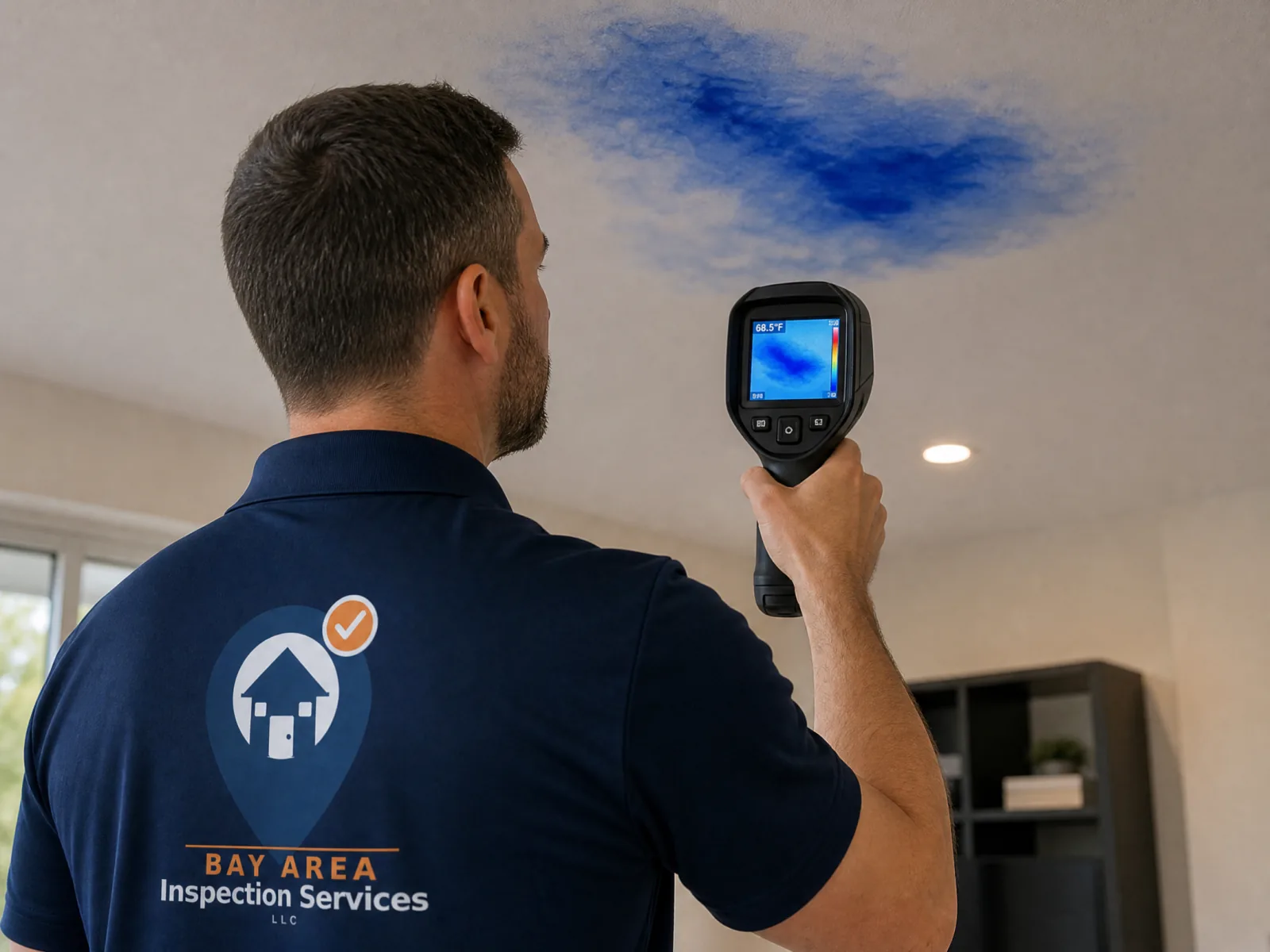
Infrared thermal imaging that locates hidden water intrusion before it becomes mold.
5 local findingsHome + Mold Bundle in Newark
Total peace of mind — our two most-requested inspections in one discounted visit.
Learn moreNewark inspection questions
Ready to book your inspection?
Same-day appointments and same-day reports. Get honest, documented answers from a certified inspector who actually built homes.