Second-Opinion Inspection
The seller's report is a start. This one is yours.
If you've been handed the seller's inspection report, read it — then get your own. You attend, you ask the questions, and the report is written for you, the same day.
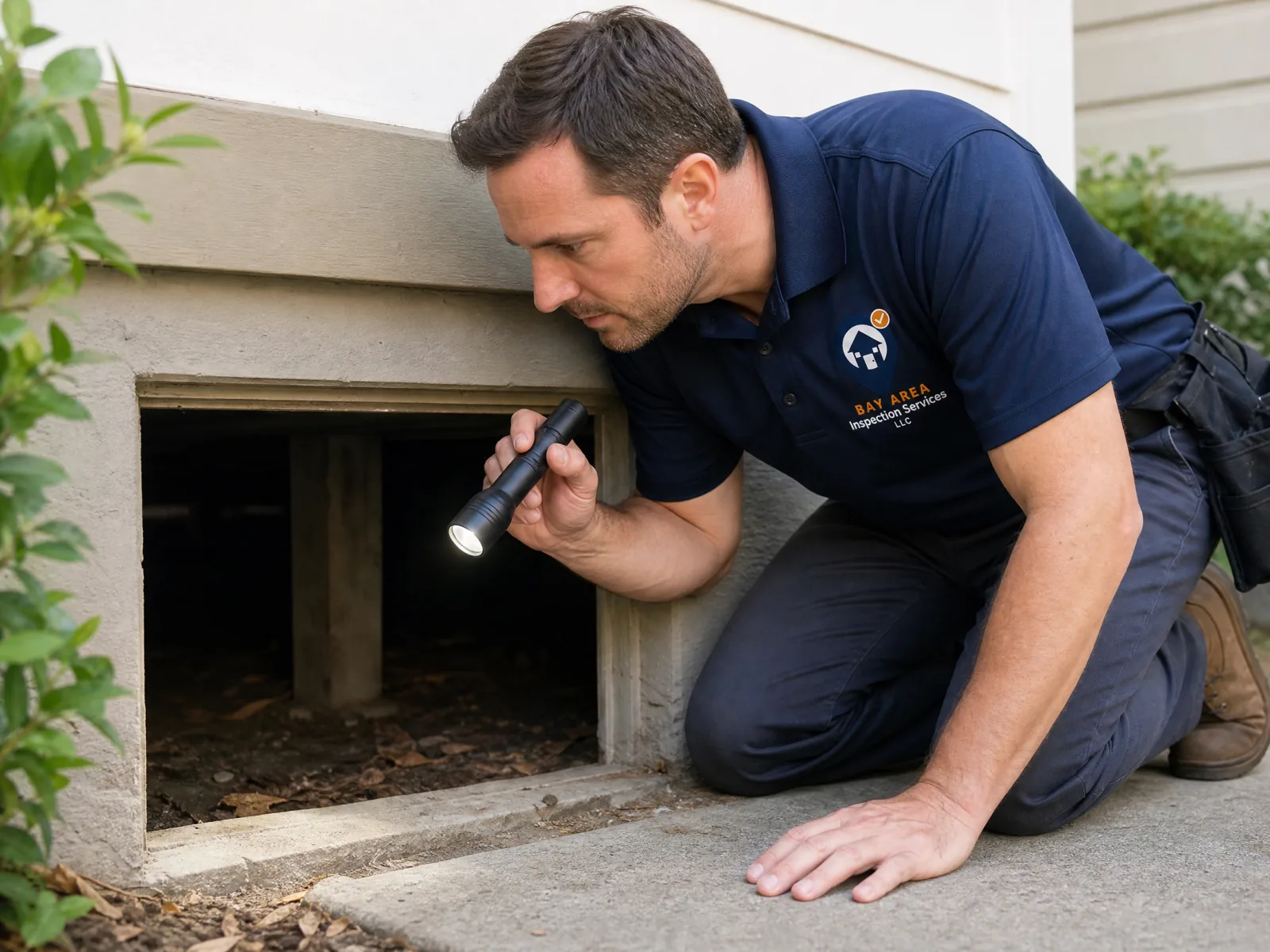
Why your own inspection still matters
A seller's report was commissioned by the seller, on the seller's schedule, before you were involved. It's useful information. It isn't an inspection you attended, and you can't ask its author what a finding means for you.
Your own inspection covers the same home from roof to foundation, with you there. You see the issues in place, ask about anything you don't understand, and leave knowing which items matter.
Reading the two reports side by side is worth doing. Where they agree, you can move faster. Where they don't, you know what to ask before your contingency deadline.
Free quote
The same scope as a full home inspection, quoted for the property. Send us the address and we'll give you a firm number, usually within the hour.
(628) 230-0357See a sample reportWhat you get
The full inspection
Roof and exterior, structure and foundation, electrical, plumbing, HVAC and the interior — the whole house, not only the items in the seller's report.
Infrared imaging included
A thermal camera on every full inspection finds moisture, missing insulation and overheating connections behind finished surfaces.
You can be there
We encourage it. If you can't make it, we walk you through the findings by phone.
Measured, not guessed
Moisture meters confirm whether a stain is active or old — the difference between a repair you negotiate and one you can ignore.
Same-day report
Plain English, with photos, delivered the same day in nearly all cases.
Nothing to sell you
We're inspection-only and don't do repairs, so no finding is there to create work.
Questions to ask of the seller's report
- What was outside its scope? Reports list areas that weren't inspected or weren't accessible — note them.
- How old is it? A report written before a winter, a remodel or a long vacancy describes a different house.
- Which items were marked to monitor rather than repair? Those are worth a second look.
- Were readings photographed, or only described? A photographed moisture or electrical reading is evidence; a sentence is an opinion.
What this isn't
It isn't a critique of the seller's inspector. Two inspections of the same house on different days, with different access, rarely read the same — and the one you attend is the one you can ask about.
Where we look hardest
Water at addition junctions
Where a newer addition meets the original roof is where water gets in. It accounts for a large share of the concealed damage we find.
Moisture behind finished surfaces
The thermal camera finds damp material behind intact walls and ceilings, before a stain shows.
Converted and added space
Garage conversions and added units: we check egress, ventilation and whether electrical or heating work appears to have gone through inspection.
Electrical capacity
Older services now running modern loads. We check capacity against actual use and flag known-problem panel equipment.
Foundation and seismic bracing
Shrinkage cracking versus active movement, and whether anchor bolting and cripple-wall bracing are present.
Drainage at the foundation
Soil sloping toward the house and downspouts emptying at the wall base — the root cause behind many crawl space problems.
Frequently Asked Questions
Holding the seller's report?
Book your own inspection and get a report written for you, the same day.