Most people think of a home inspection as a buyer's tool — and it absolutely is. But there are several moments in a home's life when an inspection pays for itself many times over. Here's when to schedule one.
The timing question matters more in the Bay Area than in most markets, because contingency windows here are short and competitive offers frequently compress or waive them entirely. Booking at the right moment is often the difference between an inspection that informs your decision and one that merely confirms what you have already committed to.
Before you buy (the obvious one)
A pre-purchase inspection during your contingency period is essential. It tells you the true condition of the home, gives you negotiating leverage, and protects you from inheriting expensive surprises. In the Bay Area's fast market, same-day reports are critical so you don't lose your window.
The practical constraint is the calendar. A seven-day contingency means the inspection needs to happen in the first day or two, not the fifth — you need time to read the report, get repair estimates on anything significant, and decide. Booking the inspection the same day your offer is accepted is not excessive; it is what the timeline actually requires.
Before you make an offer, if you're waiving contingencies
This is increasingly the situation Bay Area buyers find themselves in. If competitive pressure means your offer will waive the inspection contingency, the inspection has to happen before the offer, during the disclosure package review or at an open house — because afterwards you have no protection left to exercise.
Pre-offer inspections are shorter and access is limited, so they are less thorough than a full contingency-period inspection. They are still vastly better than nothing. Knowing that a property has an unbraced cripple wall and an original galvanised supply system changes what you are willing to bid, even if you cannot make the offer conditional on it.
Before you sell (the underrated one)
A pre-listing inspection lets you find and fix issues on your own terms before buyers' inspectors find them for you. It reduces last-minute renegotiations, builds buyer confidence, and can speed up your escrow. Sellers who inspect first are rarely caught off guard.
The leverage argument is simple. A defect discovered by the buyer's inspector mid-escrow gets negotiated under time pressure, usually at a number well above what the repair would actually cost, because the buyer is pricing in uncertainty. The same defect found before listing gets fixed at market rate on your schedule, or disclosed and priced in deliberately. Same problem, very different outcome.
After major water events or storms
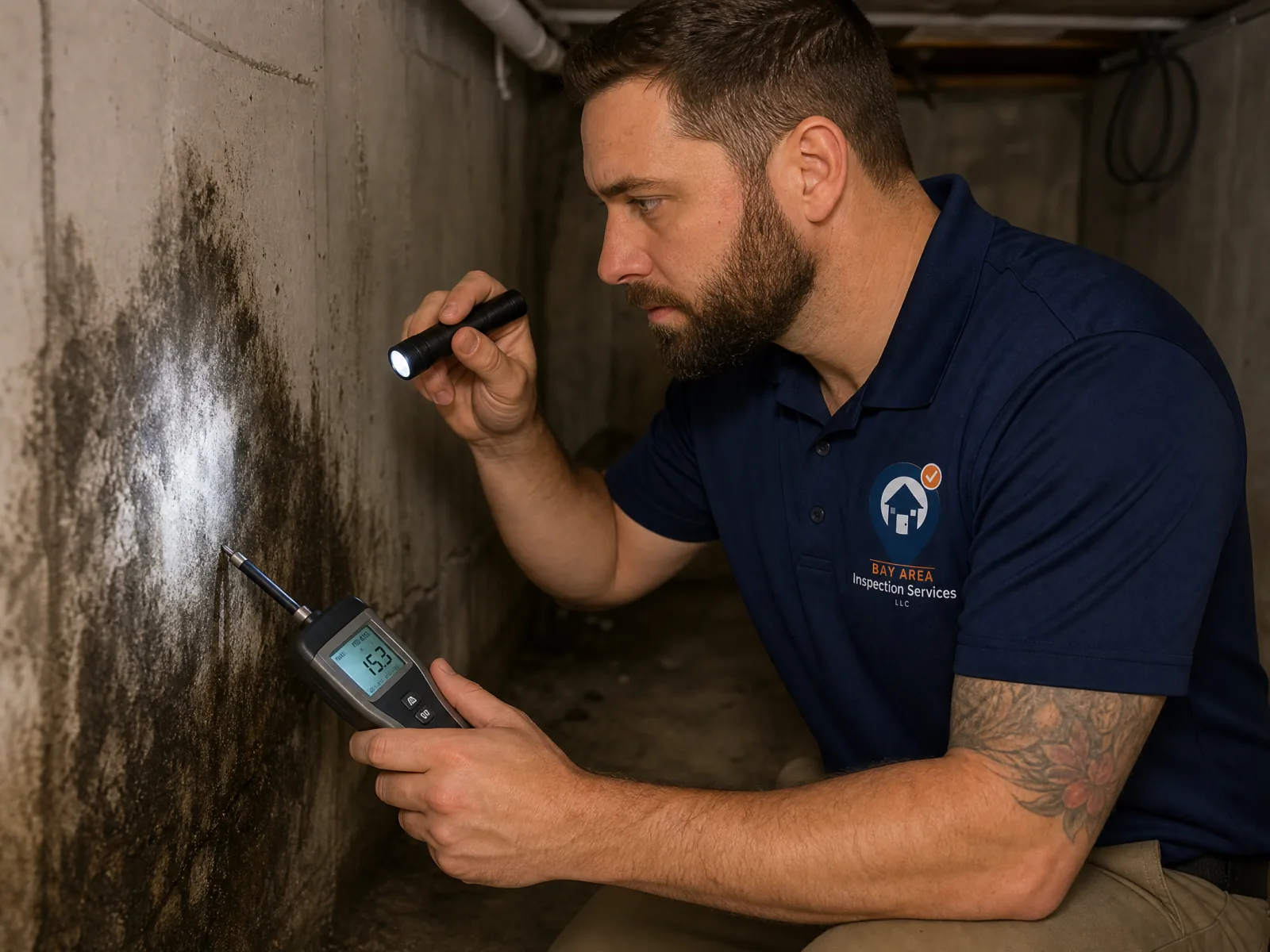
If your home has experienced flooding, a roof leak, or a plumbing failure, an inspection — ideally with moisture and mold testing — confirms whether the problem was fully resolved or whether damage lingers behind the walls.
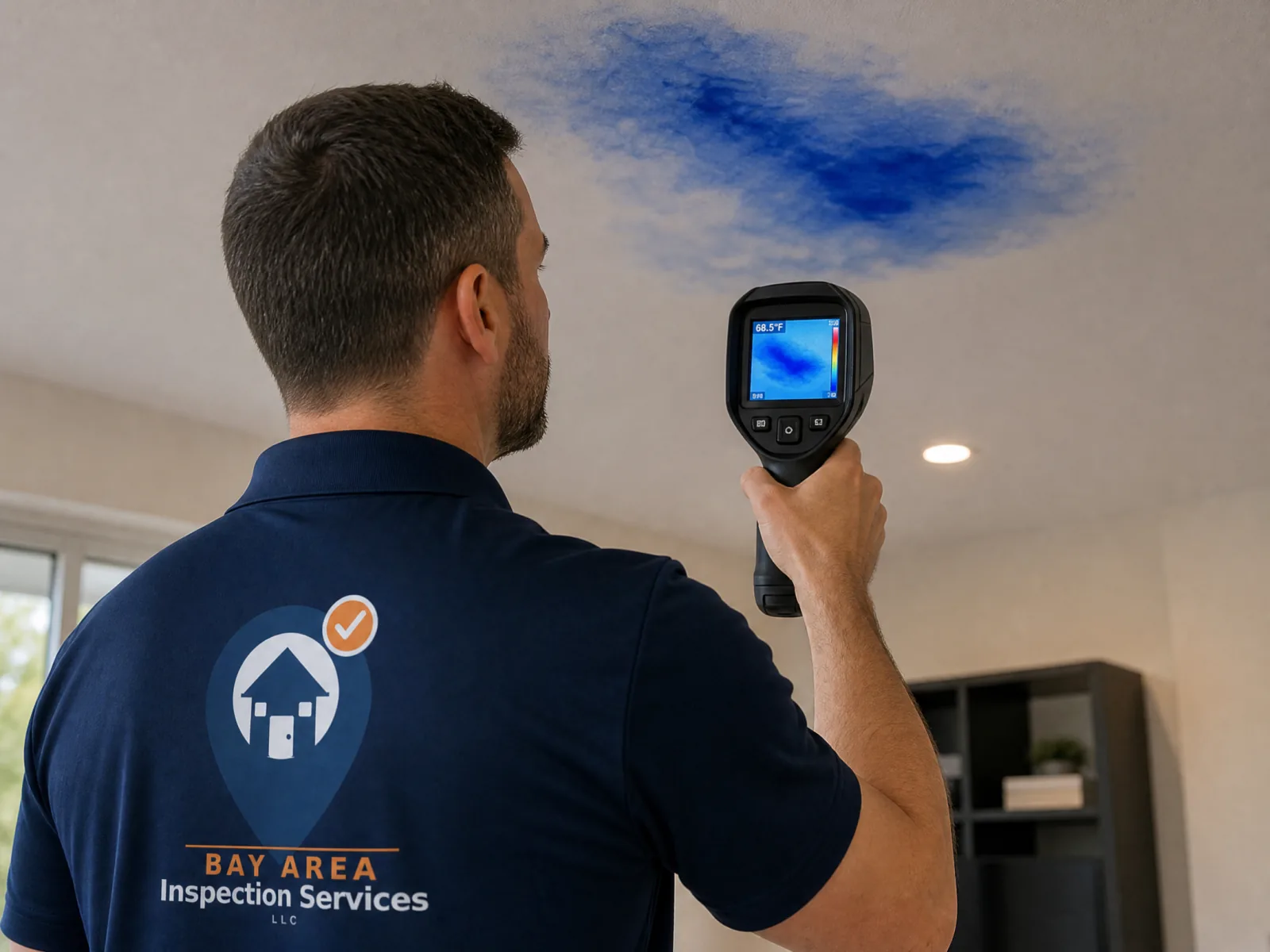
The common failure here is that the water gets stopped but the structure never gets dried. Wet insulation and framing behind an intact, freshly painted wall will keep causing problems for years, and it is invisible without thermal imaging and moisture metering. If a repair was done without documented drying, it is worth verifying.
For new construction and warranties
Even brand-new homes have defects. An independent inspection before your builder's warranty expires lets you get issues fixed at no cost to you — a step many new homeowners wish they'd taken.
New construction defects are workmanship defects rather than wear: flashing details, waterproofing at decks and balconies, mechanical installation. They are easier and cheaper to have corrected while someone else is still contractually responsible for them.
Periodically, as a homeowner
A maintenance inspection every few years catches small problems before they become big ones. Think of it as a checkup for the biggest asset you own.
It is most worthwhile on older properties and on anything with a crawl space, since those are the conditions that deteriorate quietly. Drainage that has shifted, a vapour barrier that has torn, or a slow leak under a bathroom will all be considerably cheaper to address at year two than at year eight.
The short version
Buying with a contingency: inspect immediately after acceptance. Buying without one: inspect before you offer. Selling: inspect before you list. After water damage: inspect once repairs are complete, to verify they worked. New build: inspect before the warranty lapses. Otherwise: every few years, particularly on older homes.
If you are working to a deadline, say so when you book — contingency windows get priority scheduling. You can see what a full inspection covers on the home inspection page, or get in touch for a firm quote.