Most mold problems start out of sight — behind drywall, under flooring, or in a crawl space you never visit. By the time mold becomes visible, the colony is usually well established. In the Bay Area, our damp coastal air and older housing stock make hidden mold especially common.
The good news: your home almost always gives you clues before you ever see a spot. Here are seven signs worth taking seriously.
1. A persistent musty smell
That damp, earthy odor — strongest in closets, bathrooms, basements, or near the floor — is one of the most reliable indicators of mold. Mold releases gases as it grows, and your nose often detects it long before your eyes can. If a room smells musty even after cleaning, treat it as a signal, not a nuisance.
Two details make the smell more informative. It is usually strongest low down, because spores and the gases mold produces are heavier than air and settle. And it often intensifies when a space has been closed up — coming home after a weekend away, or opening a rarely used closet, is when people most often notice it.
2. Past water damage or leaks
Any history of a roof leak, plumbing leak, flooding, or a slow drip under a sink dramatically raises the odds of hidden mold. Mold only needs 24–48 hours of moisture to take hold. Even a leak that was 'fixed' years ago can leave colonies behind the wall if the area never fully dried.
This is the single most common scenario found in older Bay Area homes: the water was stopped, the finish was repaired, and nothing ever dried the cavity behind it. If a seller discloses past water damage, the useful question is not whether it was repaired but whether the structure was dried and verified — those are different things, and only one of them prevents mold.
3. Discoloration or staining
Yellow, brown, or greenish stains on walls, ceilings, or baseboards often mark where moisture has traveled — and where mold may be feeding. Bubbling paint, warped drywall, or peeling wallpaper are physical signs that water is or was present behind the surface.
4. Allergy-like symptoms that improve when you leave
If you or your family experience congestion, coughing, itchy eyes, headaches, or worsened asthma at home — and feel noticeably better when you're away — indoor air quality may be the culprit. Mold spores are a common trigger, and the pattern of feeling better away from home is a meaningful clue.
5. Condensation and high humidity
Frequent condensation on windows, sweating pipes, or a generally damp feeling indicates humidity high enough to support mold. Bathrooms, laundry areas, and rooms with poor ventilation are especially vulnerable.
6. A crawl space or attic you never check
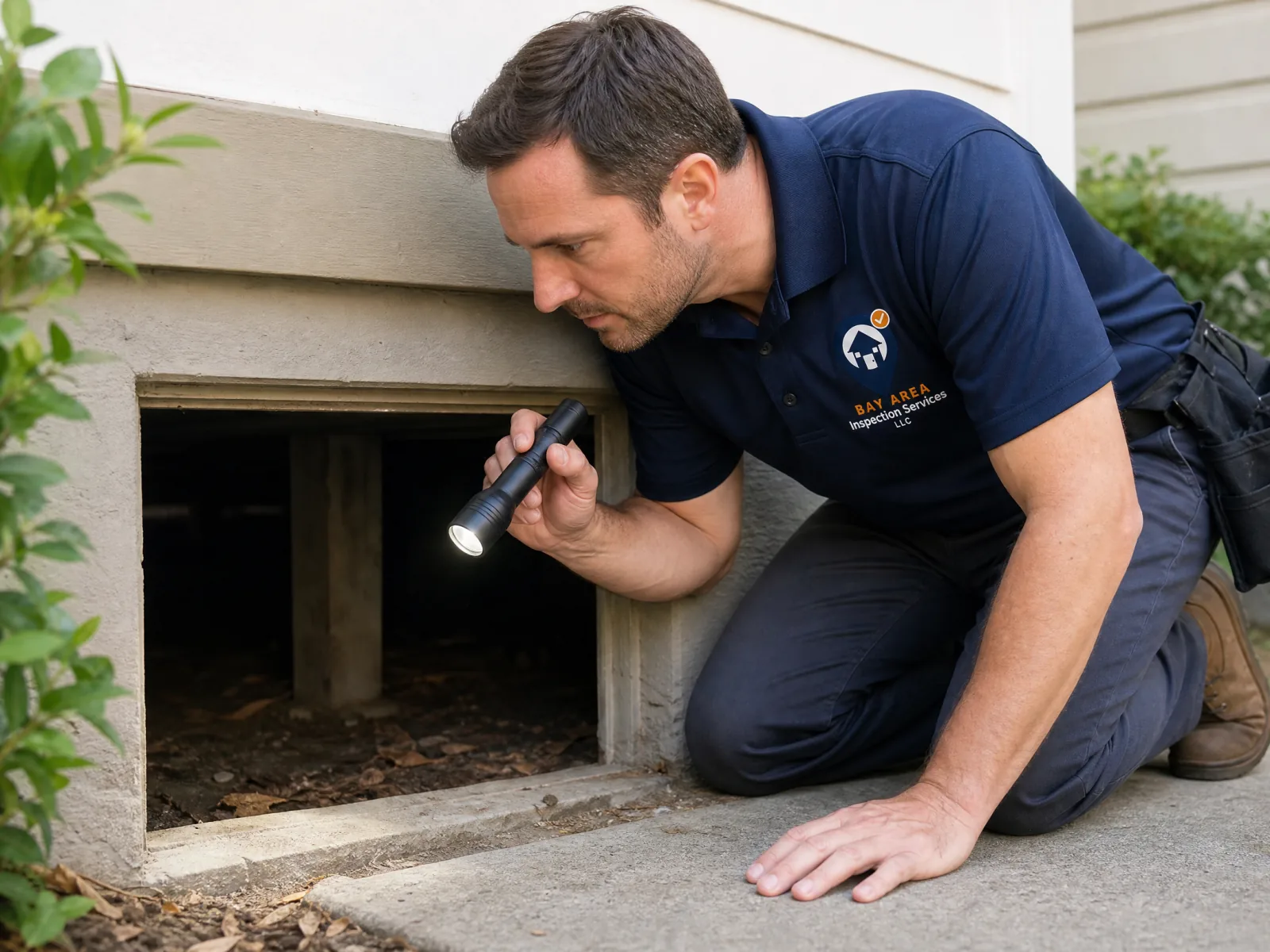
These hidden spaces are where Bay Area mold problems most often begin. Poor ventilation, ground moisture, and minor roof leaks create ideal conditions — and because nobody looks, problems grow unchecked for years.
In crawl spaces the usual combination is bare soil, a torn or absent vapour barrier, and vents blocked by landscaping or fallen insulation. In attics it is a small roof leak plus inadequate ventilation. Both are correctable, and both are considerably cheaper to address before the framing is affected.
7. Recent remodeling over old problems
Fresh paint and new flooring can hide a multitude of sins. We regularly find mold behind beautifully remodeled bathrooms where moisture was sealed in rather than resolved. If a home looks suspiciously perfect, it's worth looking deeper.
When it is probably not mold
Not every musty smell or dark patch is mold, and assuming it is can send you spending money in the wrong place. Dark staining around bathroom grout is frequently soap residue or surface mildew rather than growth in the substrate. Efflorescence — the white, powdery mineral deposit that appears on concrete and masonry — looks alarming and is not biological at all.
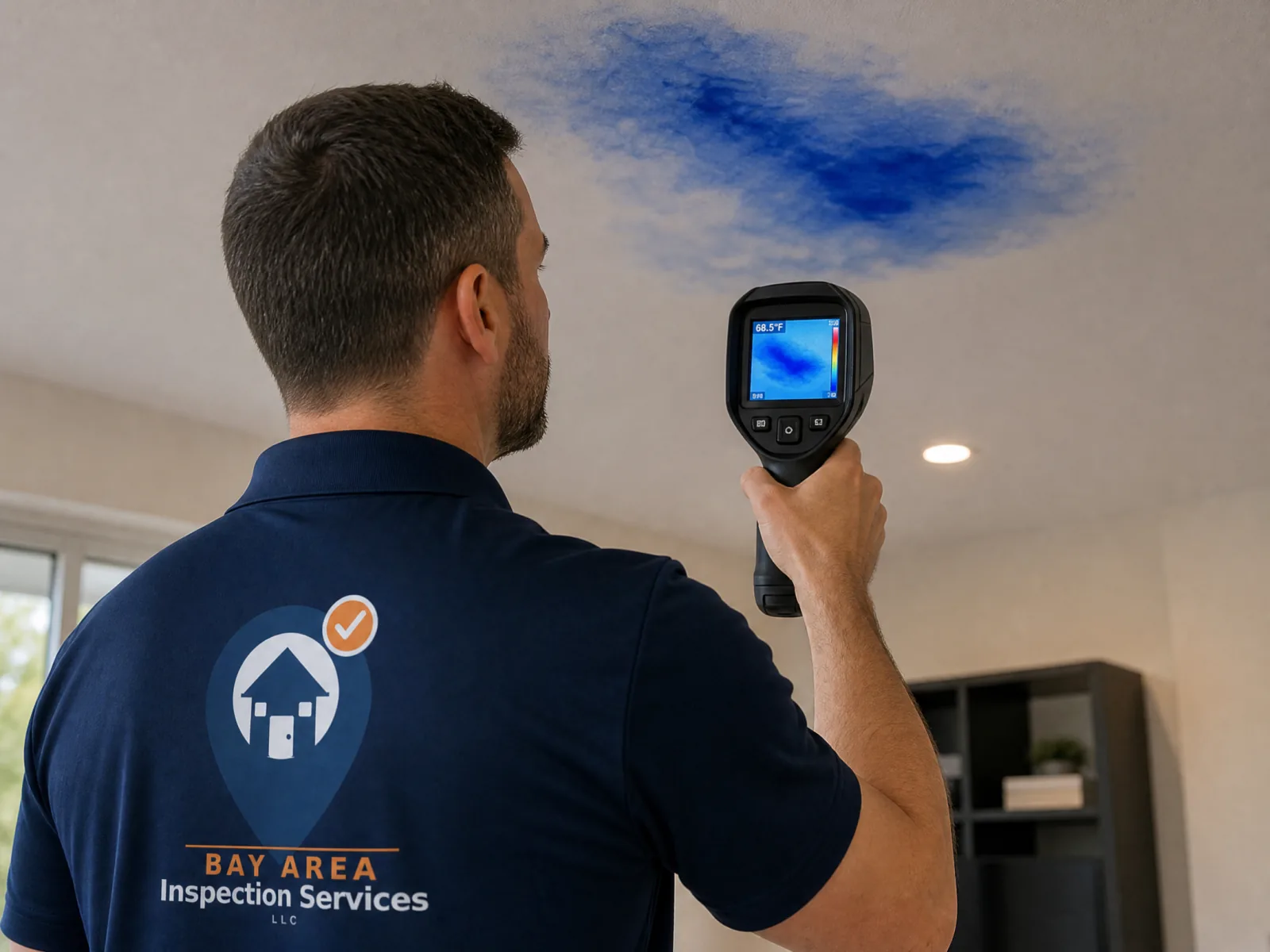
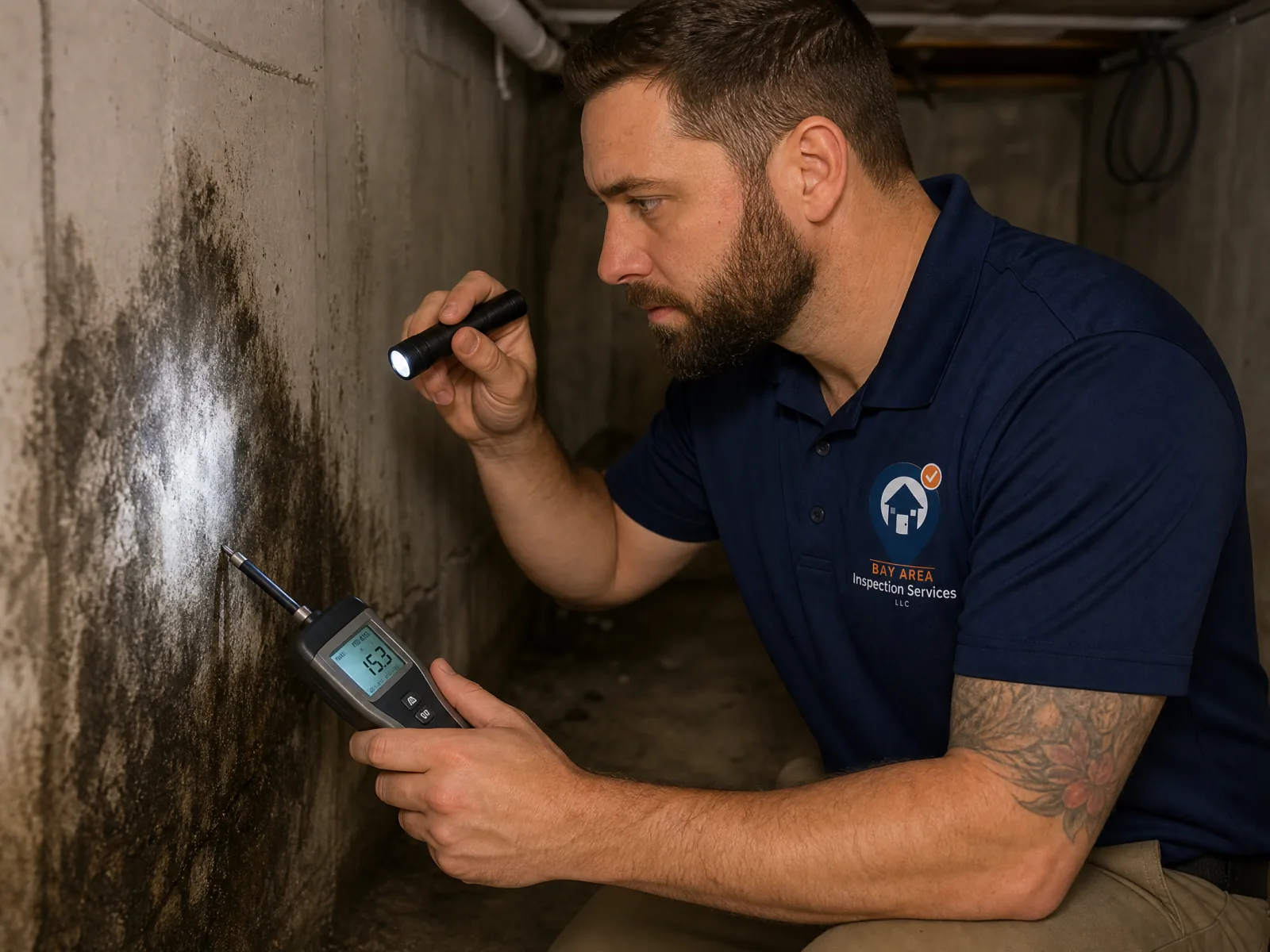
Condensation is the other frequent misdiagnosis. Cold surfaces plus humid indoor air produce damp walls that look exactly like a leak, and the fix is ventilation and humidity control rather than opening the wall. Telling these apart is largely what moisture metering and dew point readings are for.
What to do before you call anyone
- Note where the smell is strongest, and whether it changes after the house has been closed up.
- Photograph any staining, and check whether it spreads over the following weeks — a static mark is less urgent than a growing one.
- Check the crawl space and attic if you can safely reach them; that is where problems most often start.
- Ask the seller, or check your records, about any past leak — and specifically whether the area was dried, not just repaired.
- Note whether anyone in the household feels better away from home. That pattern is genuinely informative.
What to do next
If any of these sound familiar, a professional mold inspection will tell you definitively what's going on. We combine infrared thermal imaging and moisture mapping to find both visible and hidden mold — without any incentive to oversell remediation. Contact us to schedule a same-day assessment.