If you are buying in San Francisco, a document called the 3R Report — formally the Report of Residential Building Record — will appear in your disclosure package. It comes from the Department of Building Inspection, and it is a record of what the city believes about the property on paper.
It is genuinely useful, and it is routinely misread. The most common mistake is treating it as a verdict on the building's condition. It is not, and it was never intended to be. Understanding precisely what it covers is the difference between using it well and being falsely reassured by it.
What the 3R actually is
The 3R is a summary of the city's own records for a residential property: the permitted number of units, the recorded occupancy classification, and the permit history the department holds on file. Sellers of residential property in San Francisco typically obtain one as part of preparing a sale.
The important word is records. The report describes what has been filed with the city, not what a person has gone out and observed. It is a paperwork document produced from a file, not a site visit.
What it is genuinely good for
It answers the legal-use question better than anything else available to a buyer. How many dwelling units is this property permitted to contain? Does the record match what you walked through? For a building being marketed as a two-unit or three-unit property, that comparison is the single most valuable thing in the disclosure package.
It also gives you the permit trail. Additions, conversions, electrical and plumbing work, and seismic retrofits generally leave a record when they were done properly. A permit history that goes quiet for forty years on a house that has visibly been remodelled several times tells you something worth following up.
What it cannot tell you
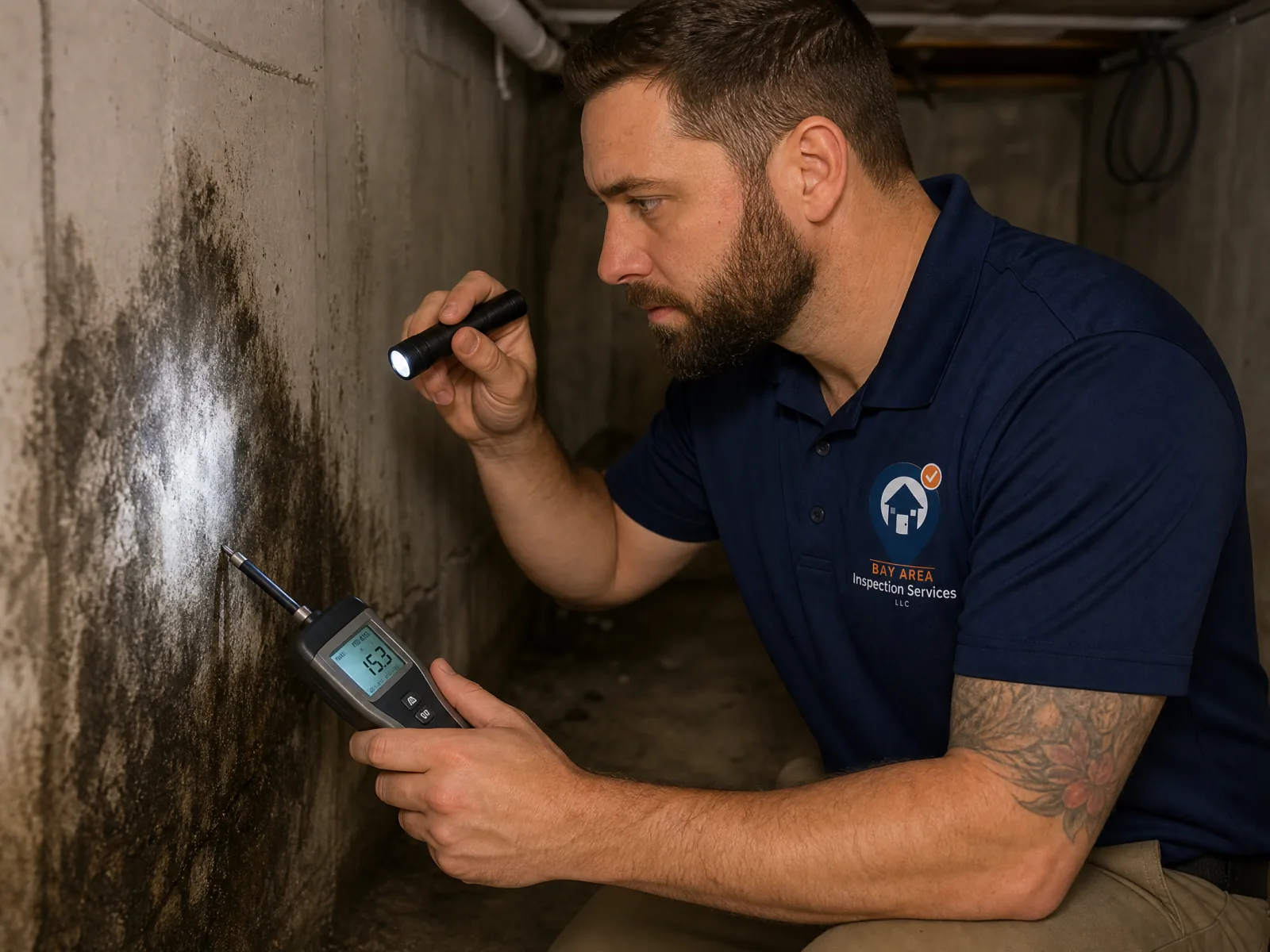
It says nothing at all about condition. A fully permitted, perfectly documented house can have a failing roof, a saturated crawl space, and an electrical service at the end of its life. None of that appears on a 3R, because none of it is a permit question.
The reverse holds as well, and it is worth stating plainly because it cuts against the intuition: unpermitted work is not automatically bad work. Some of it is competent and safe and simply never had paperwork filed. Some permitted work is poor. The document records process, not quality.
It also will not tell you about anything that never required a permit, or about conditions that developed since the last filing. Dry rot, drainage failure, deferred maintenance and moisture intrusion are invisible to it by definition.
The gap between permits and condition
This is where buyers get caught. A clean 3R feels like a clean bill of health, and it reads like one to anyone who has not been told otherwise. It is closer to a title search than to a physical examination — necessary, informative, and about an entirely different category of risk.
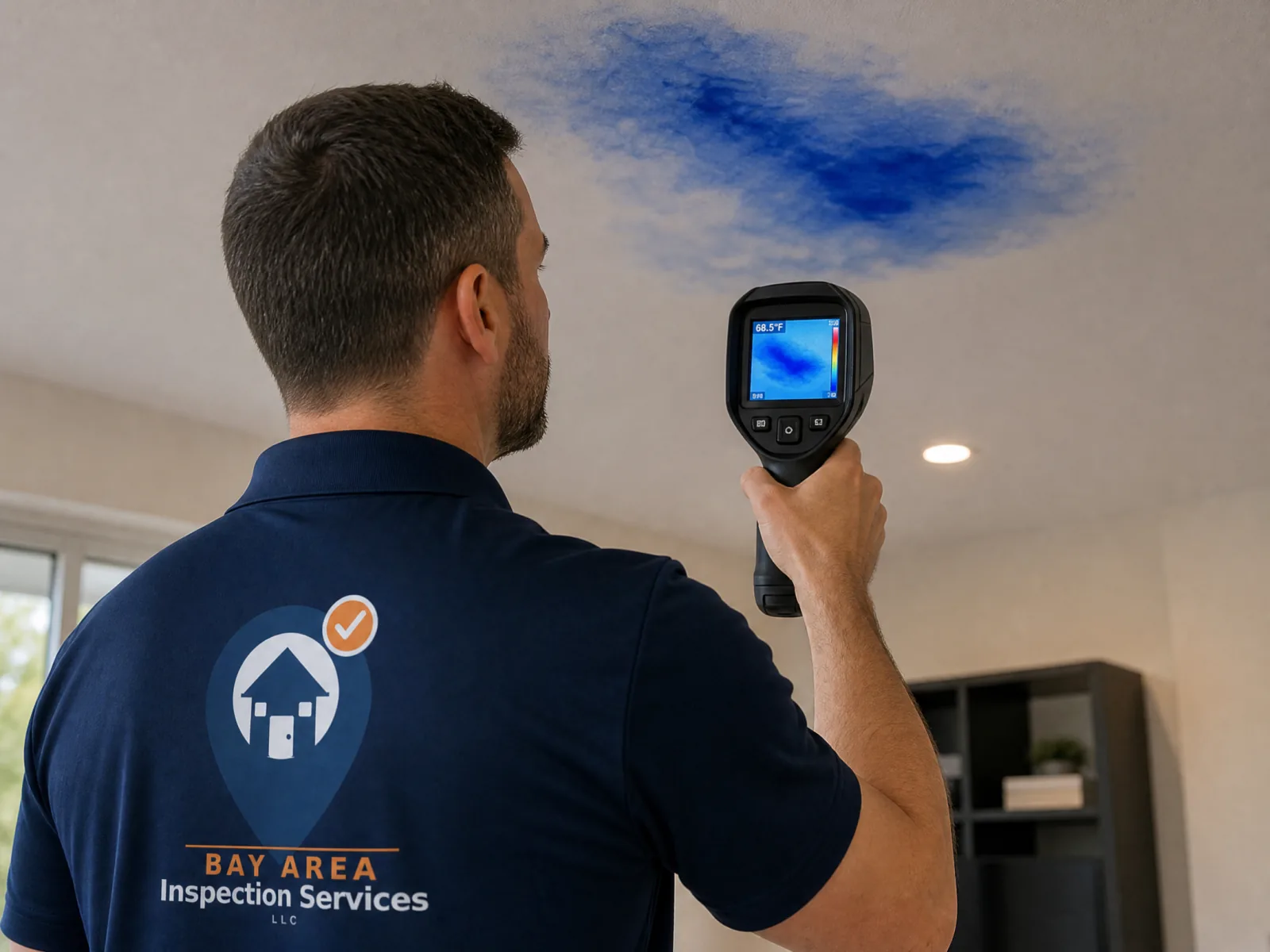
The two documents answer complementary questions. The 3R answers "is this building legally what it is being sold as?" An inspection answers "is this building physically what it appears to be?" You can fail either one independently, and the expensive surprises in San Francisco housing tend to come from the second.
Reading the two together
The most useful approach is to read the 3R before the inspection and bring its discrepancies with you. If the record shows two units and you walked through three, that is a specific thing to look at on site: is the third a converted space, does it have its own entry, its own kitchen, its own heating, adequate ceiling height and egress?
Equally, an inspection finding can send you back to the 3R. A garage that has clearly been converted into living space, a basement with a kitchen in it, or an addition off the back are all worth checking against the permit record — not to catch anyone out, but because the answer changes what you are buying and sometimes how you can finance it.
Where the two disagree, that is not automatically a reason to walk away. It is a reason to price the resolution before you commit rather than after.
Using both properly
The 3R comes from the city and costs very little. An inspection is the other half of the picture. A full home inspection starts at $649 for a single-family home and $549 for a condo, and covers the physical condition the 3R is silent on — every system and component we check is listed in full.
If your 3R shows a unit count that does not match what you saw, or a permit history with a conspicuous gap, mention it when you book. Knowing where the paperwork disagrees with the building tells an inspector exactly where to look. You can also get in touch with the specific discrepancy and we will tell you whether it is the kind of thing an inspection can resolve.