Mold isn't just a cosmetic or structural problem — it's an indoor air quality issue that can affect your family's health. Understanding the risks helps you take it as seriously as it deserves, without panic.
One clarification first, because this subject attracts a lot of exaggeration. We are home inspectors, not doctors — what follows describes commonly reported effects and the conditions that produce them, not medical advice. If someone in your household has persistent symptoms, that is a conversation for a physician. What an inspection can tell you is whether the building is contributing.
How mold affects health
Mold reproduces by releasing tiny spores into the air. When inhaled, these spores can trigger allergic and respiratory reactions in sensitive people. Common symptoms include nasal congestion, coughing, wheezing, throat irritation, itchy eyes, skin irritation, and headaches.
Sensitivity varies enormously between individuals. It is entirely normal for one person in a household to react noticeably while others in the same home notice nothing at all — that difference is about the individual, not evidence that the mold is imaginary.
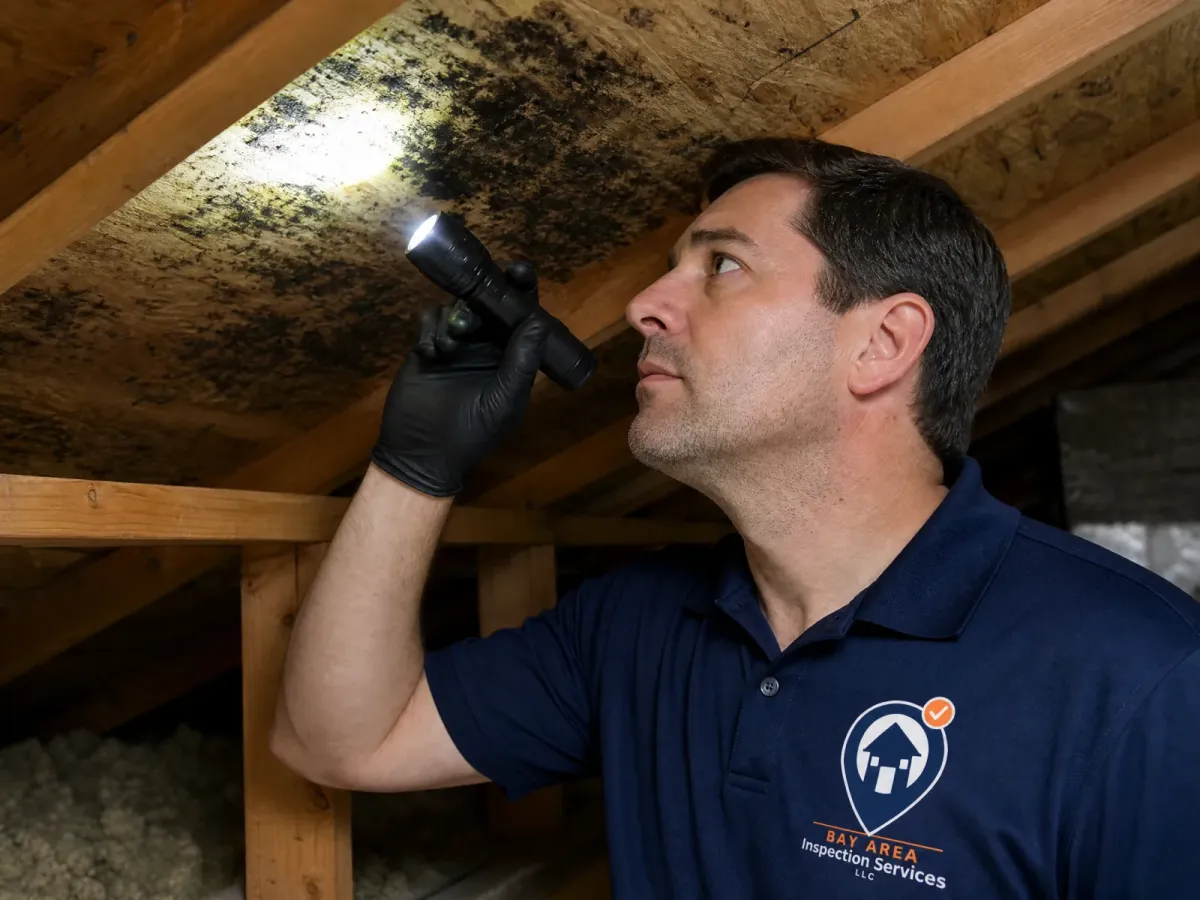
It is also worth being clear about what colour does not tell you. "Black mold" usually refers to Stachybotrys, but plenty of harmless moulds are dark, and appearance alone is not a reliable guide to risk. What actually matters is the same thing regardless of colour: find the moisture feeding it and stop it.
Who's most at risk
- Infants and young children
- Older adults
- People with asthma or chronic respiratory conditions
- Anyone with allergies or a weakened immune system
The tell-tale pattern
One of the clearest signs that your home's air may be the problem is symptoms that improve when you leave and return when you're back. If your family consistently feels better away from home, indoor air quality is worth investigating.
Finding what you can't see
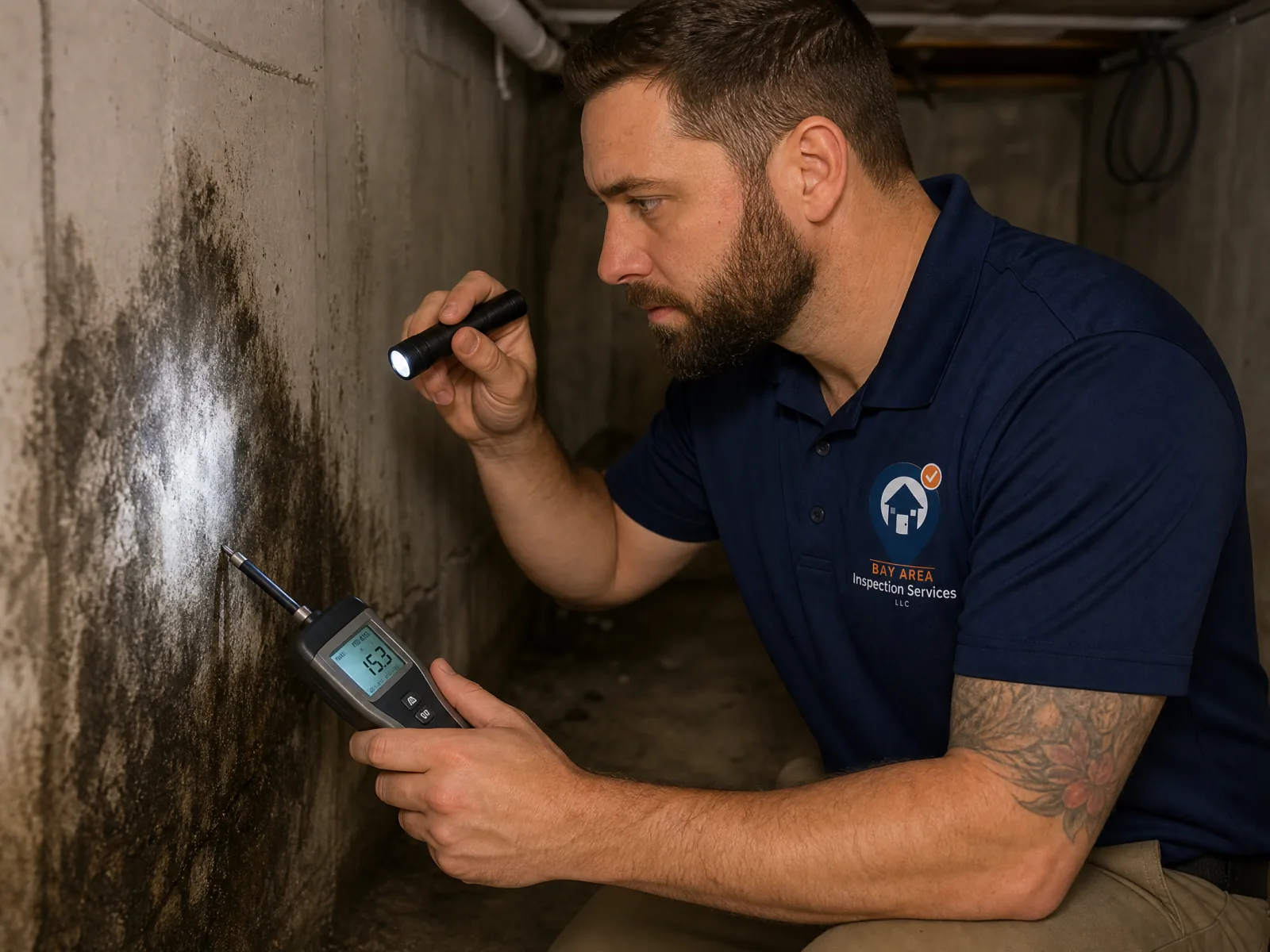
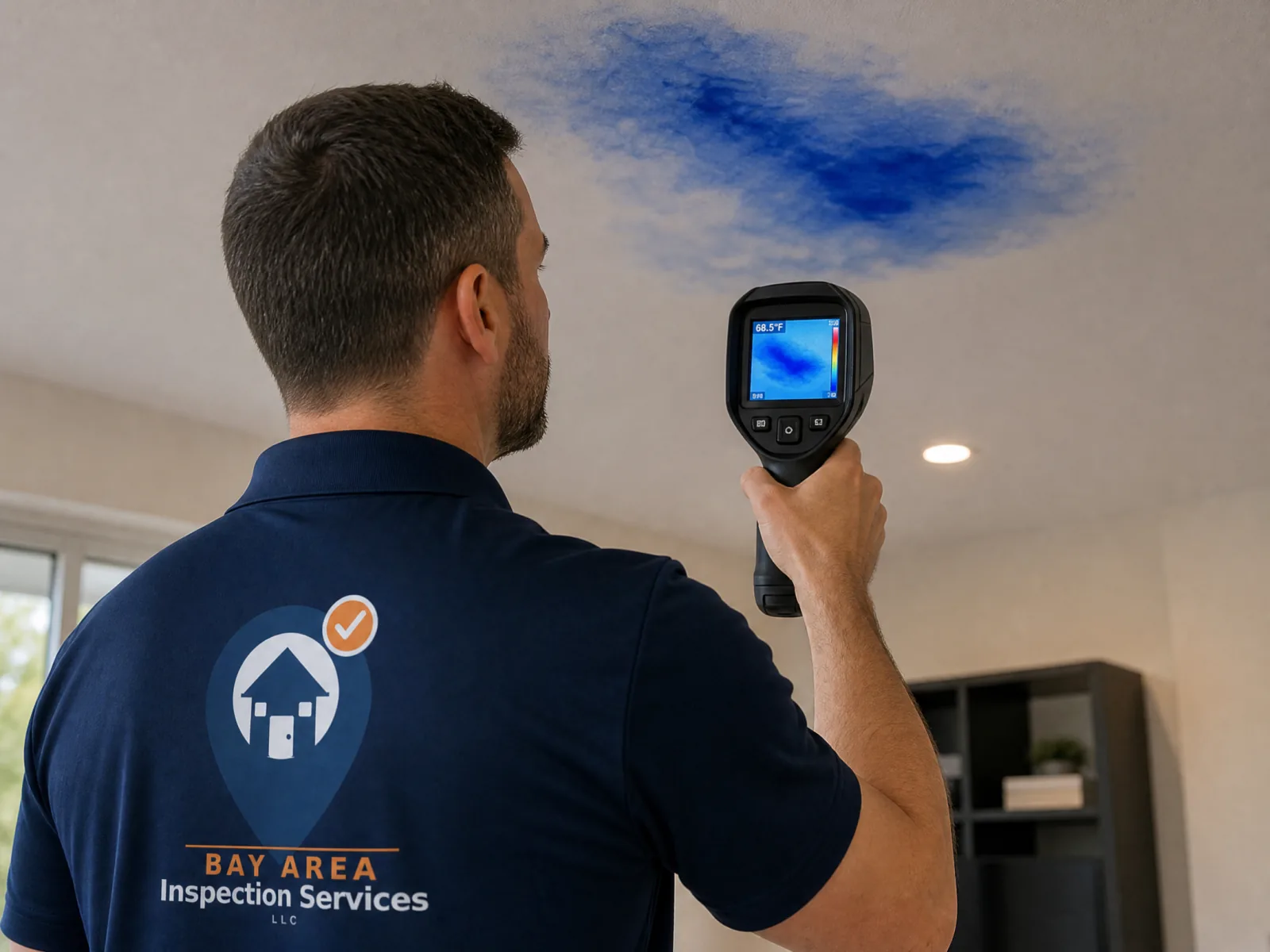
Visible mold is only part of the picture. Infrared thermal imaging finds the temperature difference that damp material creates behind an intact wall or ceiling, and calibrated moisture meters confirm and quantify it — which is how a hidden problem gets found before it's ever visible on the surface. This is especially valuable when someone in the home is experiencing symptoms but nothing is visibly wrong.
Finding a moisture reading tells you there is a reservoir somewhere; the thermal scan is what helps trace it back to where the water is actually coming from — and finding the moisture source is what actually resolves the problem, because cleaning growth without removing the water that fed it simply resets the clock.
Protecting your indoor air
- Fix leaks and moisture sources promptly — within 24–48 hours when possible
- Ventilate bathrooms, kitchens, and laundry areas well
- Keep indoor humidity in a healthy range
- Get a professional inspection if you suspect a problem or notice symptoms
What an inspection can and cannot tell you
A thermal and moisture inspection establishes where a building has a hidden moisture problem, and how significant it is. That is genuinely useful information about the building.
What it does not do is diagnose anybody. No inspection finding corresponds to a particular medical outcome, and any inspector who tells you a result means a specific health effect has stepped well outside what the inspection supports. The honest framing is that an inspection describes the building; a physician addresses symptoms.
A reasonable way to think about it
Mold is a moisture problem that happens to be biological. Treated that way it is tractable: find the water, stop it, dry the structure, remove the growth, then verify. Homes across the Bay Area go through exactly that sequence routinely without drama.
The two unhelpful extremes are dismissing a persistent musty smell as normal for an old house, and treating any visible spot as a crisis requiring immediate five-figure remediation. Most situations sit between those, and the point of an independent inspection is to establish which one you actually have.
If someone in your household has symptoms that improve away from home, that is worth investigating. A mold and air quality inspection will tell you what the building is contributing, and getting in touch costs nothing.