The direct answer: most inspections here can be scheduled within 24 to 48 hours, and the report goes out the same day as the visit. That is the useful number, because in a Bay Area transaction the binding constraint is almost never the inspector's calendar — it is how much of your contingency period is left by the time anyone thinks to book one.
Contingency windows in this market have compressed considerably. A seven-day inspection contingency is now common, and shorter ones appear regularly on competitive properties. That changes the question from "how long does an inspection take" to "how do I sequence this so the report lands while I still have room to act on it."
The short answer, and what sets the pace
A standard single-family inspection takes roughly three hours on site. A condo or smaller attached unit is usually closer to two. The report is written the same day, with photographs of every finding, so you are reading it that evening rather than waiting two or three days for it to be typed up.
What actually determines the timeline is access. Getting the listing agent, the seller, and any tenants aligned on a window takes longer than the inspection itself in most cases. If you can confirm access when you make the booking rather than after, you typically save a day.
Same-day reporting is not a premium service here, and it is worth checking whether it is one wherever you are comparing quotes. A report that arrives 72 hours after the visit consumes nearly half of a seven-day contingency before you have read a word of it.
How an inspection fits inside a contingency period
Work backwards from the deadline rather than forwards from acceptance. If you have seven days, you want the report in hand by roughly day three or four, which leaves genuine time to get contractor pricing on anything significant and to draft a request for repairs or a credit.
That means booking on day one, not day three. The sequence that works is: offer accepted, inspection booked the same afternoon, inspection on day two or three, report that evening, and the remaining days spent on quotes and negotiation. The days you want to protect are the ones at the end, not the beginning.
The common failure is treating the inspection as the last step of due diligence rather than the first. By the time a report reveals something that warrants a plumber's or an engineer's opinion, you need days remaining to obtain one. A finding you cannot price is much harder to negotiate around than one you can.
When the deadline is tighter than the standard timeline
Short and waived contingencies are a reality here, and they do not have to mean going in blind. A pre-offer inspection — booked while the property is still on the market, with the listing agent's cooperation — gives you the same information before you are committed to anything. On a property you are serious about, it is the strongest version of this.
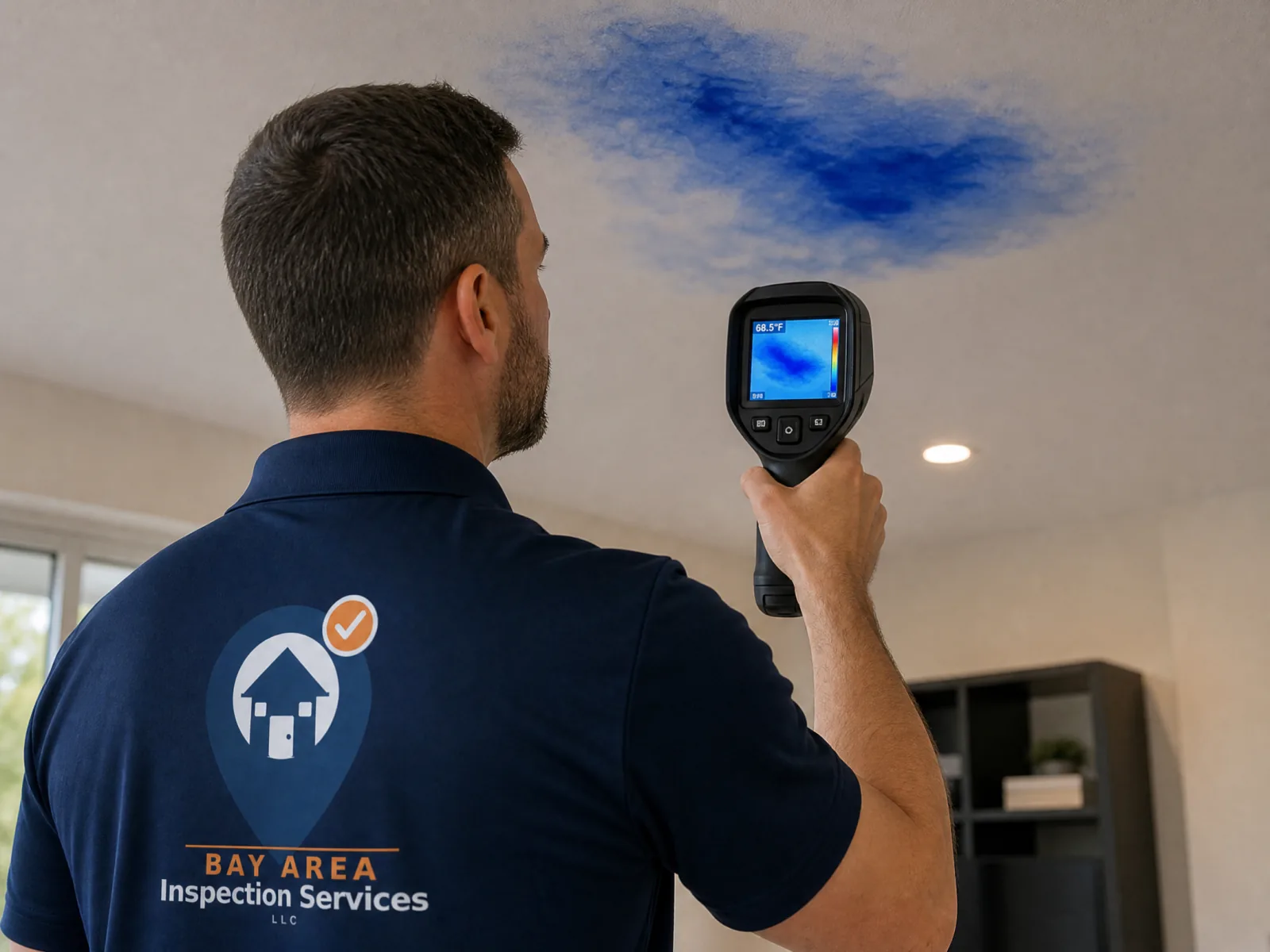
Where a full pre-offer inspection is not possible, a shorter consultative visit focused on the systems that carry the most financial risk — foundation, roof, drainage, electrical service, and evidence of moisture — will surface the issues large enough to change your number. It is not a substitute for a full report, and it should not be sold as one, but it beats guessing.
If you are already in contract with a tight window, say so when you book. Scheduling can usually be prioritised for a genuine deadline, and it is far better to know on day one that the calendar is tight than to discover it on day five.
What actually slows an inspection down
- Tenant-occupied properties, where legally required notice periods can add days regardless of how quickly everyone else moves.
- Utilities shut off at a vacant property — with no power, gas or water, significant portions of the inspection cannot be performed and a return visit becomes necessary.
- Blocked access to the crawl space, attic hatch, or electrical panel, which frequently means storage stacked in front of them rather than anything structural.
- Locked side gates and unavailable garage remotes, which sound trivial and routinely prevent exterior and drainage assessment.
- Coordinating a specialist in parallel — a sewer scope or a pest report is a separate licensed discipline, and those have their own schedules.
Why same-day reporting matters more here
In a slower market, a two-day report turnaround is an inconvenience. In this one it is a material loss of negotiating position, because the request for repairs has to be drafted, delivered and responded to inside the same compressed window.
There is also a quality argument for it. A report written the same day is written while the property is still fresh in the inspector's mind, with the photographs in front of them. Detail genuinely degrades when a report is assembled from notes several days later, across several intervening properties.
Booking against a deadline
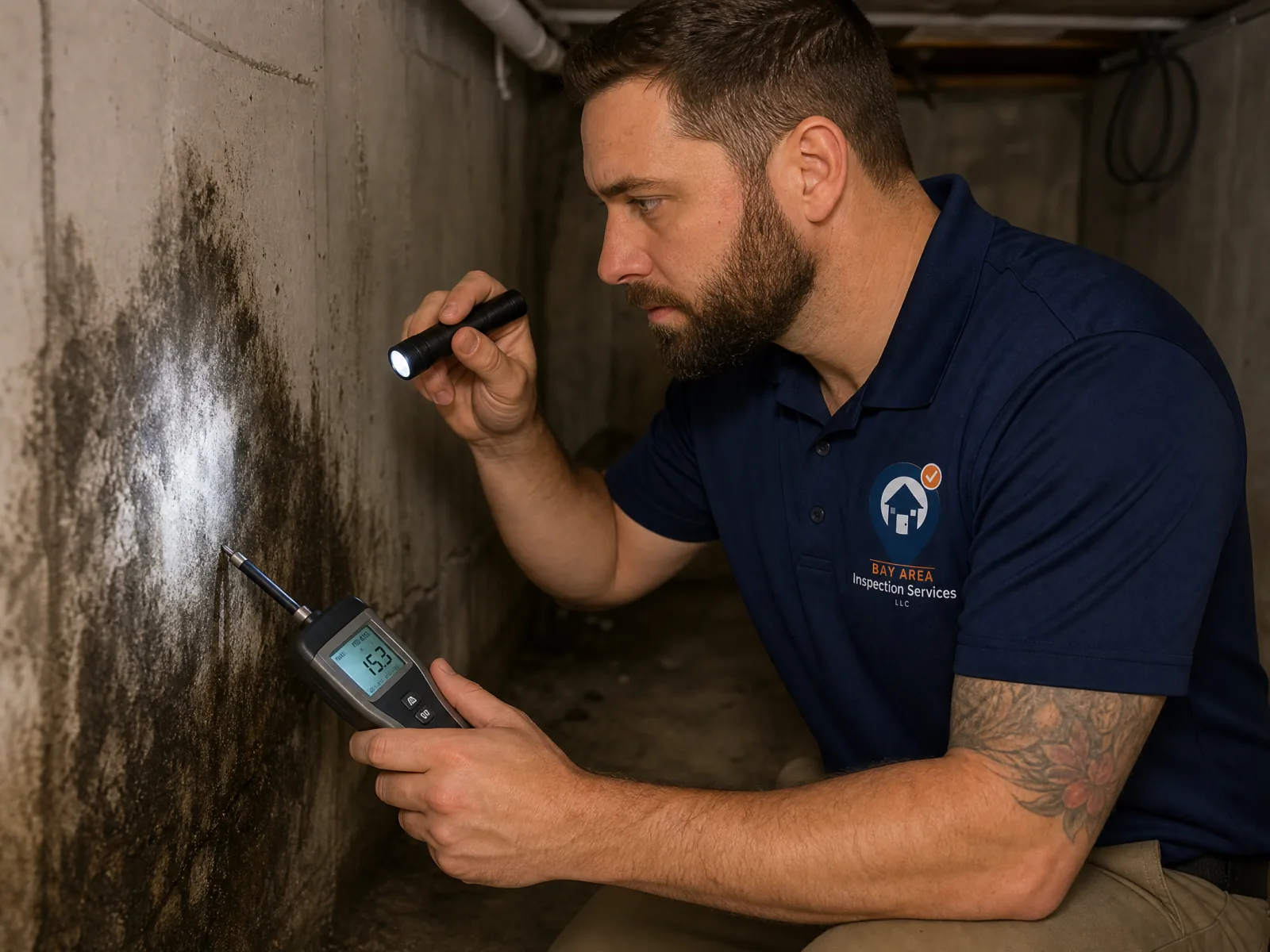
If you are working to a contingency date, the most useful thing you can do is call rather than wait. A full home inspection starts at $649 for a single-family home and $549 for a condo, and scheduling is usually possible inside 48 hours. Where moisture or a musty smell is part of what prompted the inspection, adding a mold inspection at the same visit avoids a second appointment you do not have time for.
You can see the full pricing breakdown before you call, and everything covered during the visit is listed component by component. If the timeline is tight, say so on the first call — it changes how the booking is scheduled.