The Peninsula
Home & Mold Inspection in Menlo Park
From Allied Arts bungalows to Sharon Heights ranch homes — a builder's eye on every system.
Inspecting Menlo Park homes
Menlo Park splits sharply by neighbourhood. The Allied Arts and Felton Gables areas are dense with 1920s and 30s bungalows on narrow lots, while Sharon Heights and Stanford Hills are 1960s and 70s ranch and split-level homes on larger, sloped parcels. The inspection priorities are not the same in the two halves of the city.
A lot of Menlo Park housing has been remodelled at least twice. I spend a disproportionate amount of time on the seams — where an addition meets original framing, where a new bathroom was dropped into an old wet wall, and where drainage was rerouted around a new hardscape.
Local note
The city straddles a marked transition from flat bayside soils in the east to the foothills in the west. Foundation and drainage findings differ substantially between the two, and a report that ignores which side of town you are on is not much use.
Menlo Park housing stock
Pre-war bungalows east of Alameda, mid-century ranch and split-level in the western hills, and a steady stream of teardown rebuilds throughout.
1920s–30s bungalows
Allied Arts, Felton Gables and central Menlo Park. Typical findings are original clay sewer laterals, ungrounded two-prong circuits, cripple walls without shear panels, and crawl spaces with inadequate ventilation.
1950s–70s ranch & split-level
Sharon Heights and Stanford Hills. Watch for original cast-iron drain lines reaching end of life, aluminium branch wiring in a narrow band of mid-1960s homes, and retaining walls that were never engineered.
2000s–present rebuilds
Large new construction on original lots. Findings skew toward detailing — roof-to-wall flashing, window head flashing, and deck waterproofing over living space.
What I look for in Menlo Park
These findings come up disproportionately often in Menlo Park, so they get specific attention rather than a generic checklist entry.
Sloped-lot drainage in the western neighbourhoods
Sharon Heights and Stanford Hills homes frequently move water toward the structure rather than away from it. I look at grading, area drains, downspout discharge and any retaining wall weep systems.
Aged sewer laterals under mature landscaping
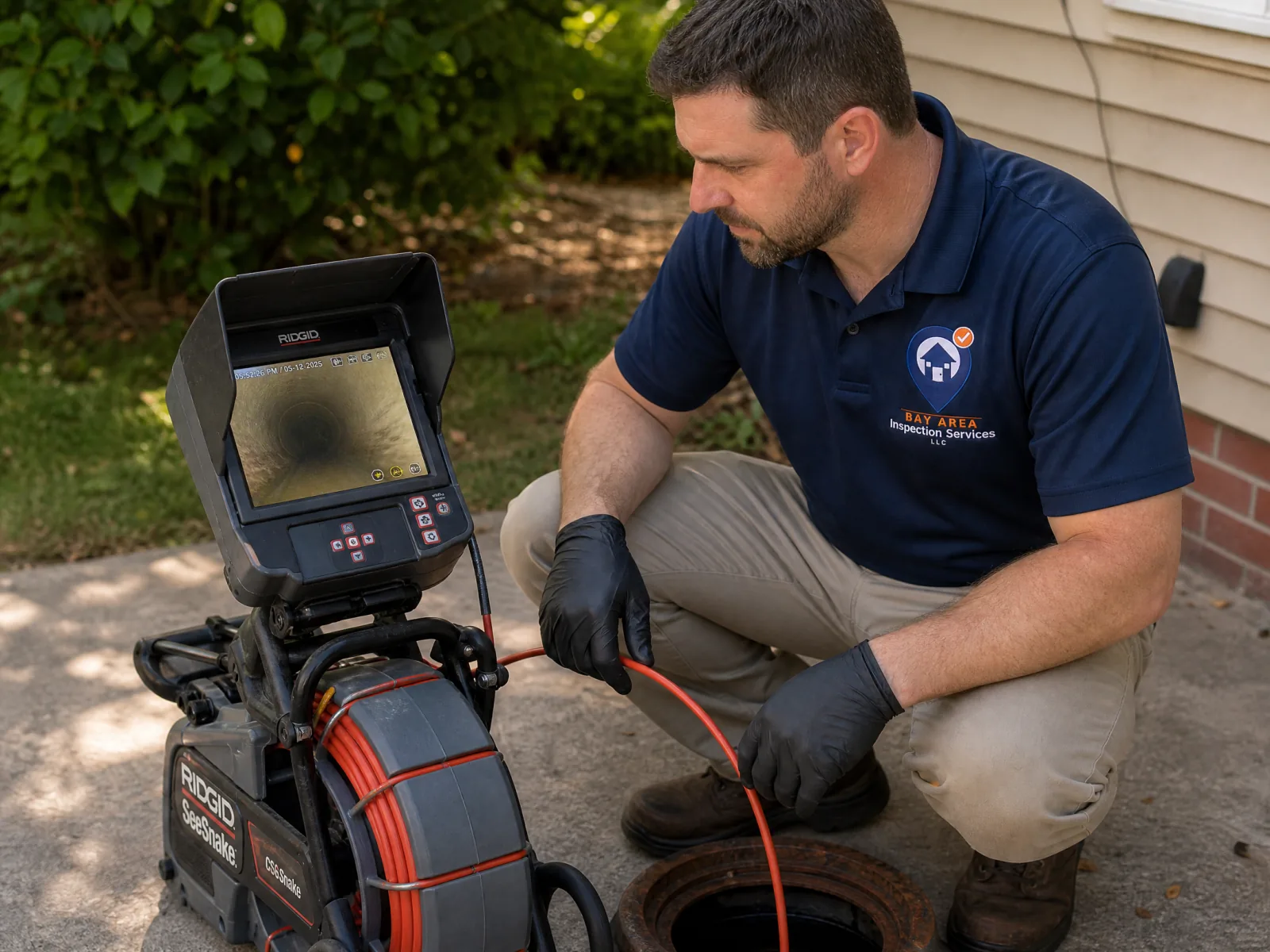
Original clay laterals in the older eastern neighbourhoods are a frequent and expensive surprise. Recurring slow drains usually point here.
Crawl space moisture and fungal growth
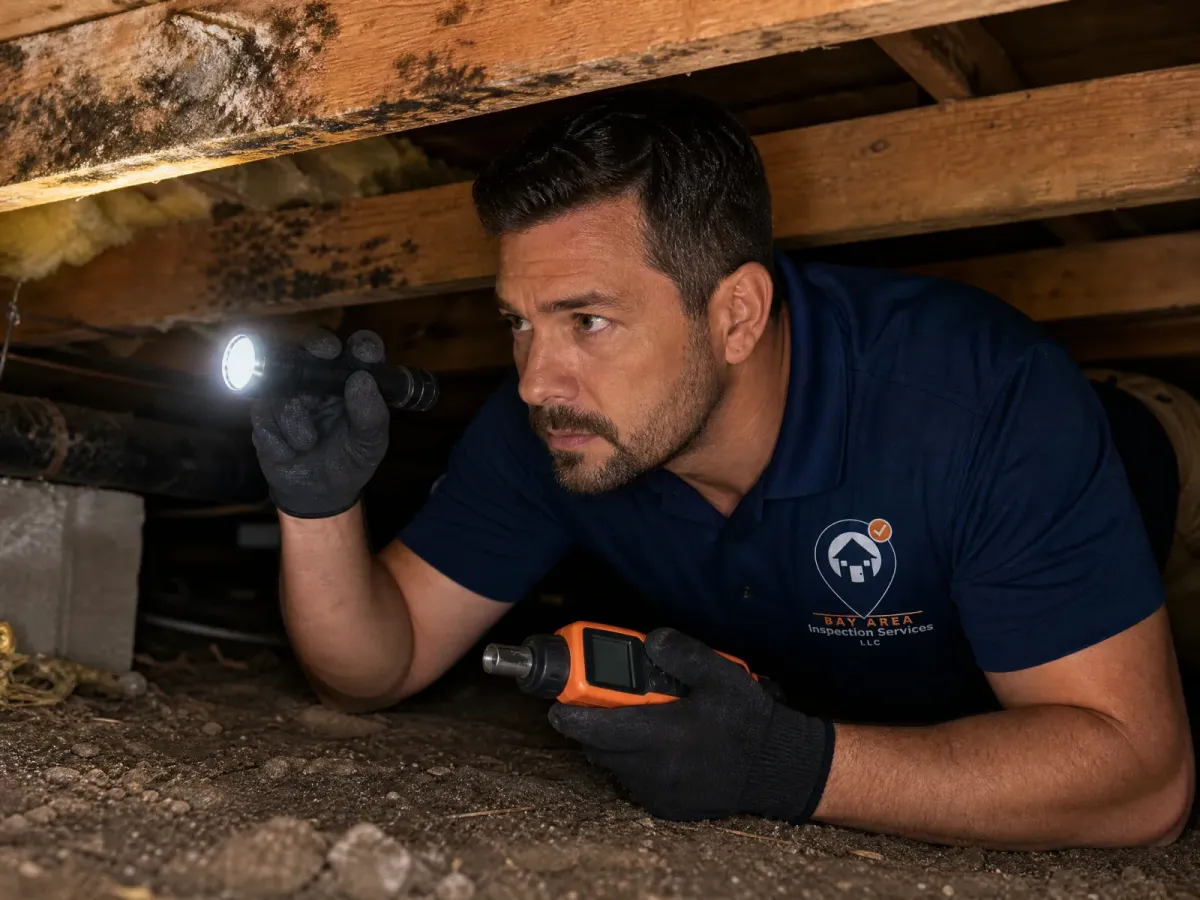
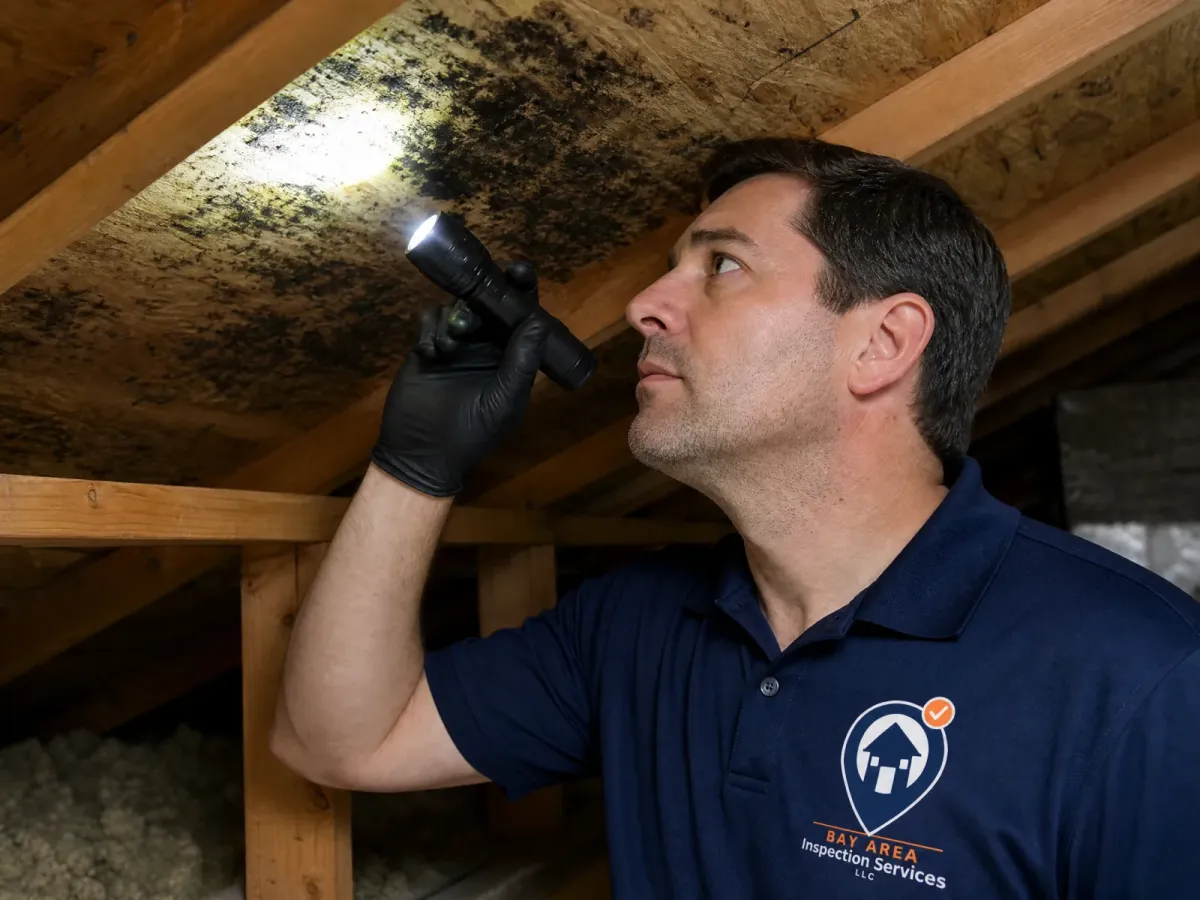
Low crawl spaces with blocked or missing vents are common in pre-war Menlo Park homes. This is the single most common source of mold findings I write up in the city.
Unpermitted conversions
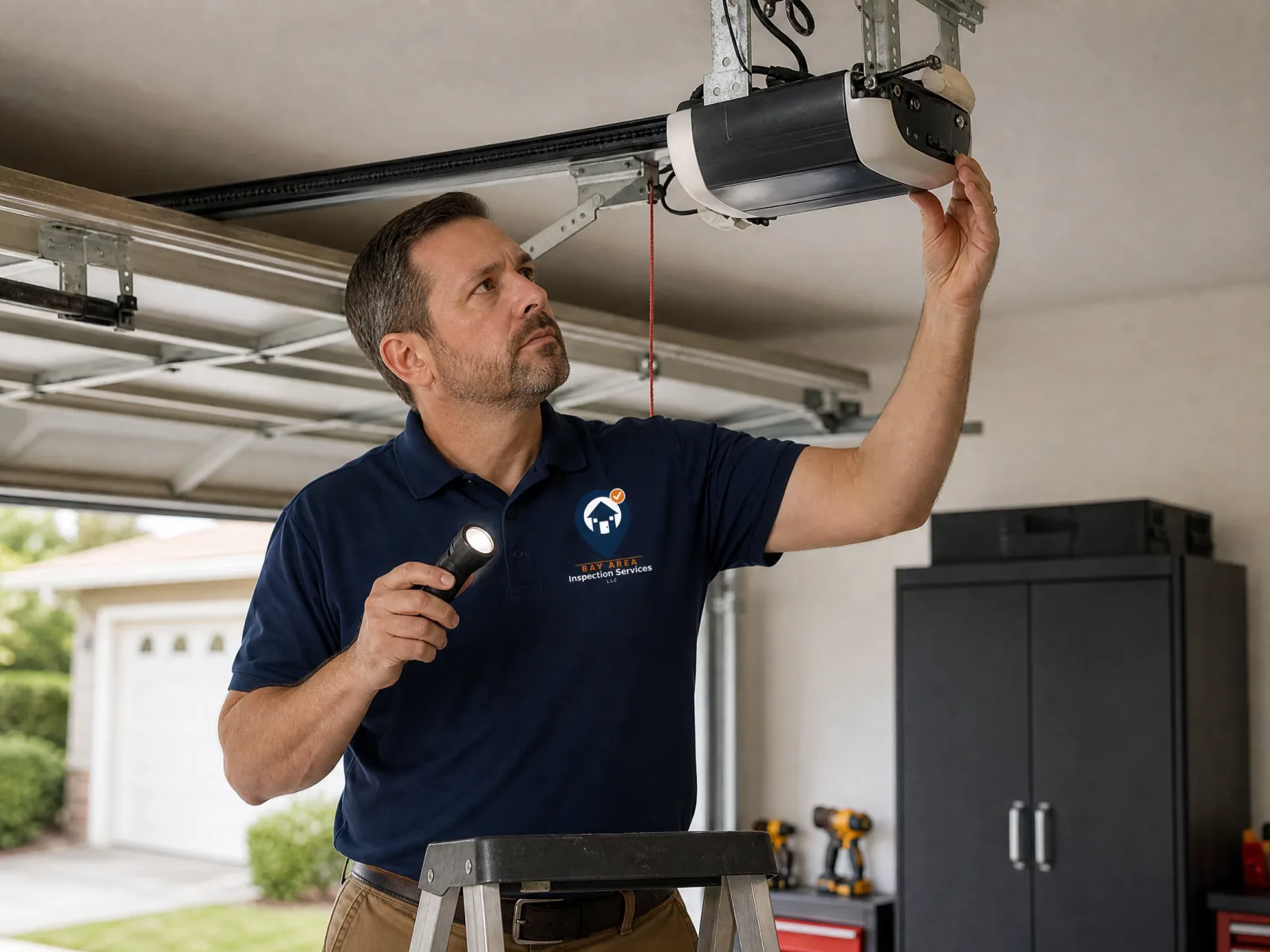
Garage and basement conversions are widespread. I flag missing egress, undersized headers, and heating or electrical work that was never inspected.
Deck and balcony waterproofing
Elevated decks over occupied space are common in the hills. Ledger attachment and flashing are checked directly rather than assumed.
Menlo Park homes and what I find in them
The housing types you'll see around Menlo Park, and the conditions that come up most often when I inspect them.
Neighborhoods I serve in Menlo Park
Coverage across Menlo Park and the surrounding area — if your neighborhood isn't listed, call and ask.
Inspection services in Menlo Park
Every service below is available throughout Menlo Park, with same-day reporting.
Home Inspection in Menlo Park
A top-to-bottom evaluation by a former builder who knows exactly where problems hide.
5 local findingsMold Inspection in Menlo Park
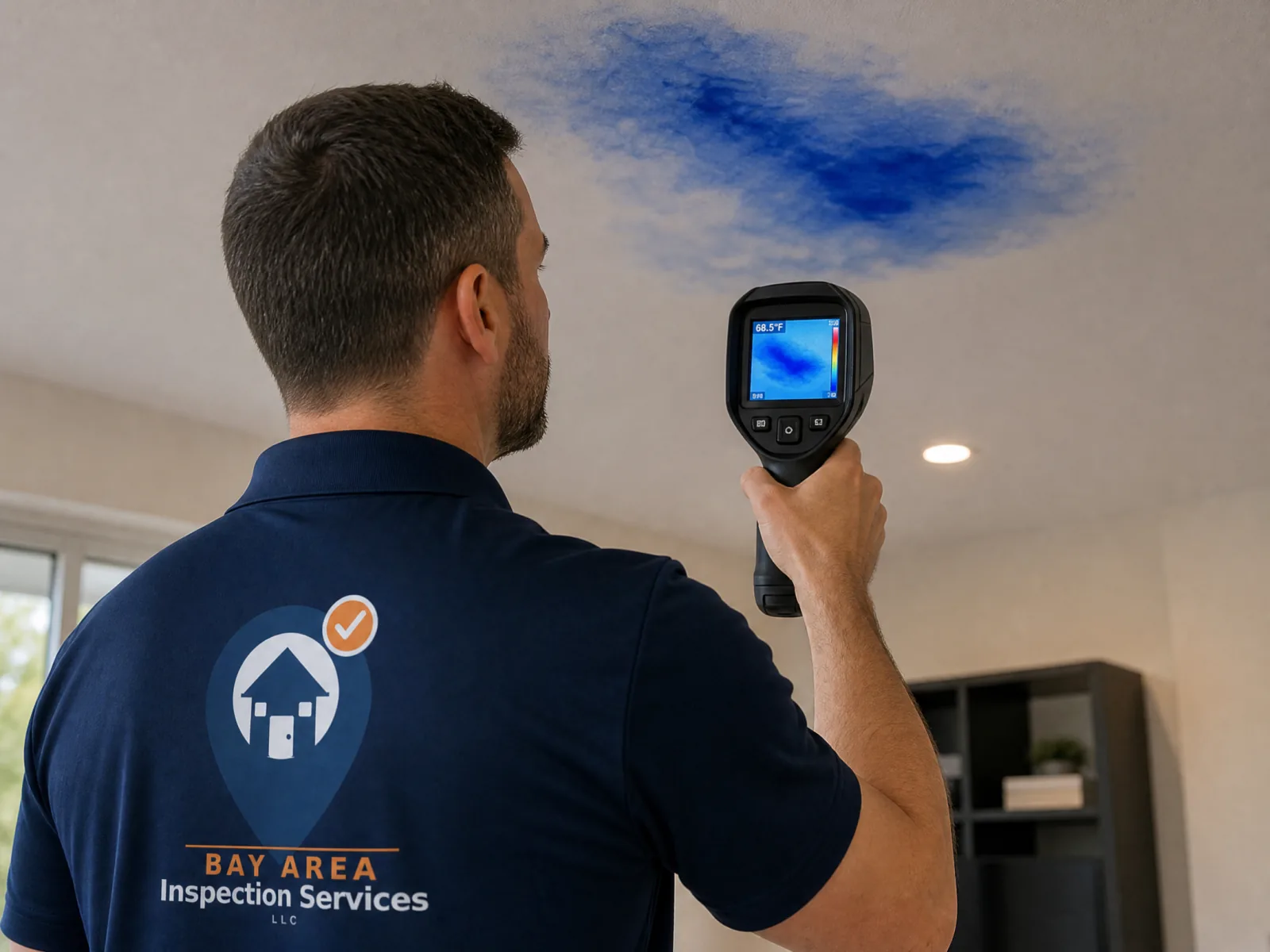
A thermal and moisture-based mold assessment that finds the source, not just the spot on the wall.
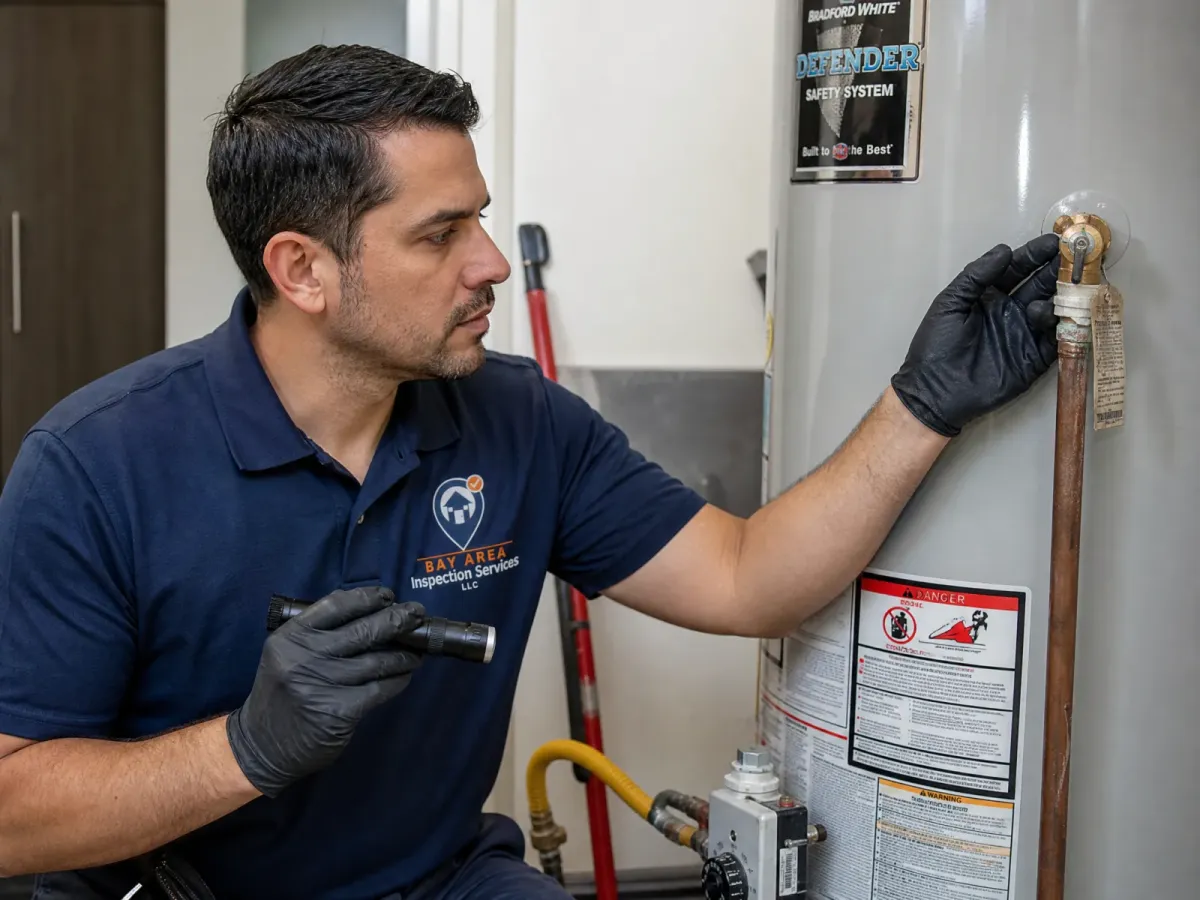
4 local findingsGas Leak Detection in Menlo Park
Precision detection of natural gas leaks to keep your family safe.
Learn moreMoisture & Water Damage in Menlo Park
Infrared thermal imaging that locates hidden water intrusion before it becomes mold.
4 local findingsHome + Mold Bundle in Menlo Park
Total peace of mind — our two most-requested inspections in one discounted visit.
Learn moreMenlo Park inspection questions
Ready to book your inspection?
Same-day appointments and same-day reports. Get honest, documented answers from a certified inspector who actually built homes.