The Peninsula
Home & Mold Inspection in Belmont
Hillside homes, split-levels and retaining walls that deserve a closer look.
Inspecting Belmont homes
Belmont is a hillside city, and that single fact drives most of what matters in an inspection here. Homes are built on slopes, on stepped foundations, on cut-and-fill pads, and with retaining walls that range from properly engineered to improvised.
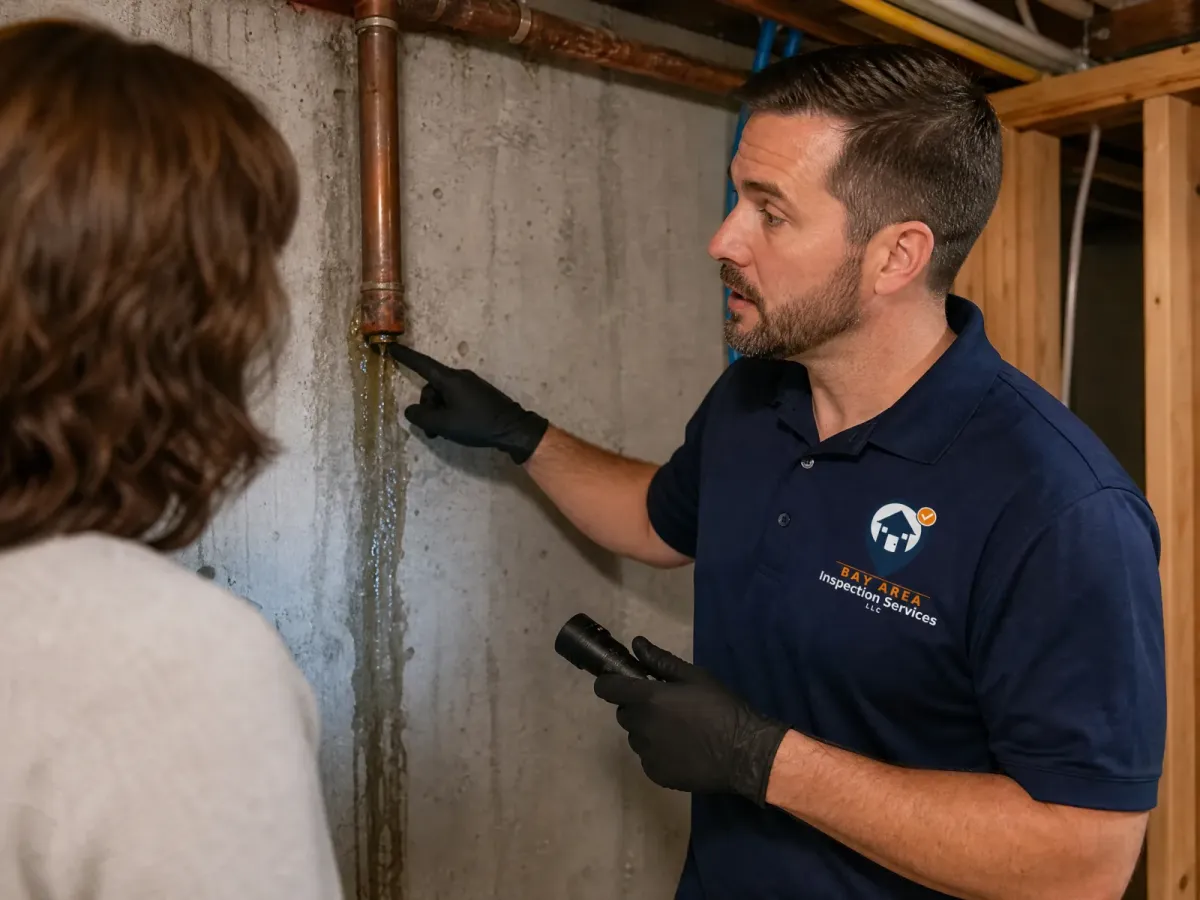
The recurring theme in Belmont is water — where it comes from, where it goes, and what it does to a structure on a slope when it is not managed. Drainage findings here are not cosmetic; they are usually the root cause of the foundation and moisture issues that follow.
Local note
Belmont's terrain means two homes a block apart can have entirely different risk profiles depending on whether they sit on cut or fill and where uphill water is directed. Site work is a major part of every inspection here.
Belmont housing stock
Predominantly 1950s–70s hillside homes and split-levels, with older housing near Belmont Village and newer construction on infill hillside lots.
1950s–70s hillside & split-level
The bulk of the city. Common findings are stepped foundations with cracking at the steps, under-floor areas with poor ventilation, original decks nearing end of life, and retaining walls with no visible drainage.
Pre-war homes near Belmont Village
Older, smaller and generally on flatter ground. Expect original foundations, unbraced cripple walls and outdated electrical.
1990s–present hillside infill
Built on more difficult remaining lots. These depend heavily on engineered foundations, drainage systems and retaining structures performing as designed.
What I look for in Belmont
These findings come up disproportionately often in Belmont, so they get specific attention rather than a generic checklist entry.
Retaining walls without drainage
Undrained retaining walls build hydrostatic pressure and eventually lean, crack or fail. I look for weep holes, drainage provisions and any tilt or displacement.
Hillside drainage directed at the structure
Uphill runoff routed toward rather than around the building is the most common root cause I find in Belmont. It shows up later as crawl space moisture and foundation movement.
Stepped foundation cracking
Foundations that step down a slope crack at predictable points. Distinguishing normal shrinkage from active movement is the important judgement here.
Aging elevated decks
Hillside homes rely on decks for usable outdoor space, and many are original. Ledger attachment, flashing and post bases are checked directly.
Under-floor moisture and fungal growth
Enclosed under-floor areas on slopes ventilate poorly and stay damp. This is the leading source of mold findings in Belmont homes.
Belmont homes and what I find in them
The housing types you'll see around Belmont, and the conditions that come up most often when I inspect them.




Neighborhoods I serve in Belmont
Coverage across Belmont and the surrounding area — if your neighborhood isn't listed, call and ask.
Inspection services in Belmont
Every service below is available throughout Belmont, with same-day reporting.
Home Inspection in Belmont
A top-to-bottom evaluation by a former builder who knows exactly where problems hide.
5 local findingsMold Inspection in Belmont
A thermal and moisture-based mold assessment that finds the source, not just the spot on the wall.
3 local findingsGas Leak Detection in Belmont
Precision detection of natural gas leaks to keep your family safe.
Learn moreMoisture & Water Damage in Belmont
Infrared thermal imaging that locates hidden water intrusion before it becomes mold.
4 local findingsHome + Mold Bundle in Belmont
Total peace of mind — our two most-requested inspections in one discounted visit.
Learn moreBelmont inspection questions
Also serving near Belmont
Ready to book your inspection?
Same-day appointments and same-day reports. Get honest, documented answers from a certified inspector who actually built homes.